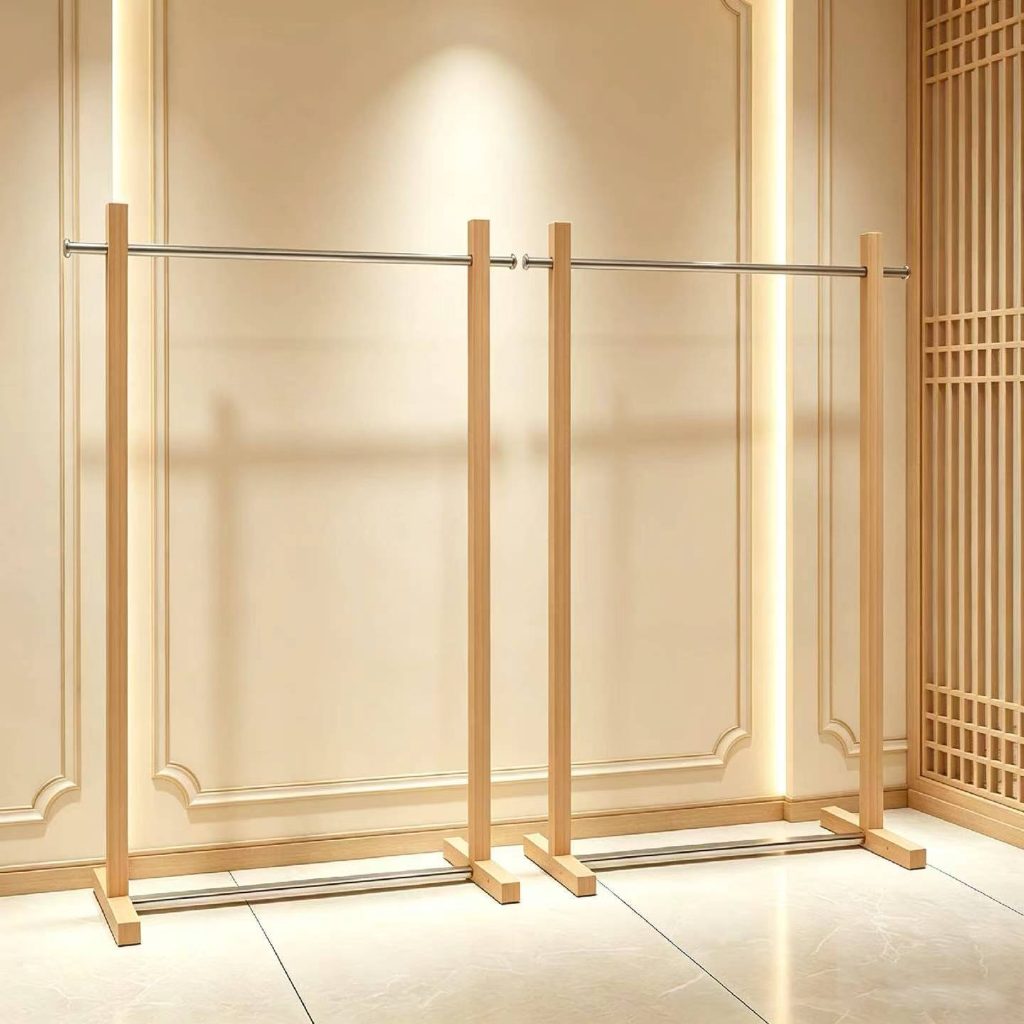
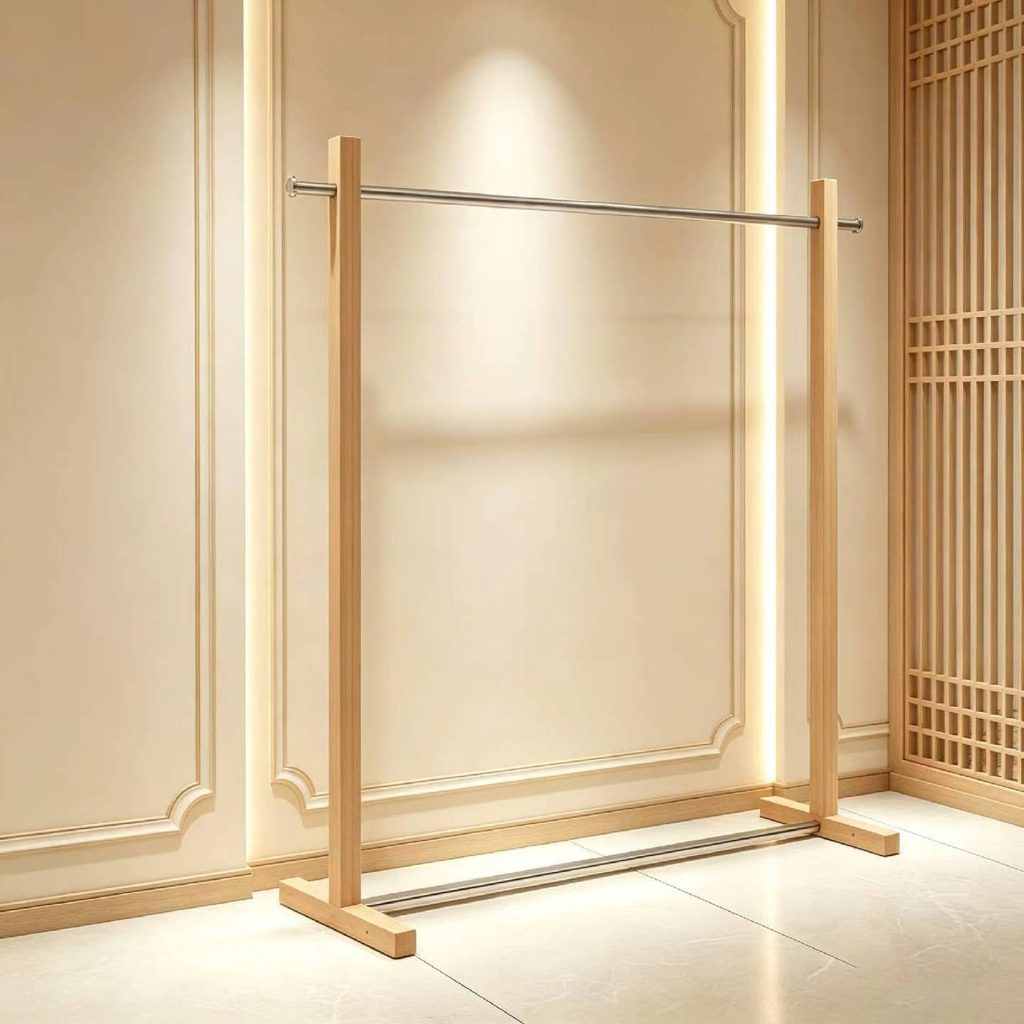
Walk into any clothing store and you will see hundreds of hangers. They line the racks, they hold the displays, they carry the merchandise. They are so ubiquitous that most shoppers never give them a second thought. And that is precisely why they are so powerful. The hanger is the one object in a retail environment that every single customer touches, often without even realizing it. It is the bridge between the garment and the shopper. It is the first physical interaction a customer has with your product. And yet, most retailers treat hangers as an afterthought—a commodity to be bought in bulk at the lowest possible price.
This is a missed opportunity. A hanger is not just a tool for holding clothes. It is a silent salesperson. It communicates quality, style, and attention to detail. It shapes the customer’s perception of your brand before they have even looked at the price tag. It can make a thirty-dollar dress feel like a three-hundred-dollar dress, or it can make a three-hundred-dollar dress feel like it came from a discount bin. The difference is not in the garment. The difference is in the presentation.
Consider the psychology of shopping. When a customer walks into a store, they are not just looking for a product. They are looking for an experience. They want to feel excited. They want to feel inspired. They want to feel confident in their choices. The hanger plays a crucial role in this experience. A flimsy wire hanger that bends under the weight of a coat sends a message: this store does not care about the details. A sturdy wooden hanger with a smooth finish and a subtle logo sends a different message: this store cares about quality. This store pays attention. This store is worth your time and money.
The impact of the hanger is especially pronounced in the fitting room. When a customer tries on a garment and then hangs it back on the hanger, the hanger is the last thing they see before they make their decision. If the hanger is broken, mismatched, or difficult to use, it creates a moment of friction. It interrupts the flow of the shopping experience. It introduces a note of doubt. If the hanger is elegant, functional, and well-designed, it reinforces the positive feelings the customer already has about the garment. It makes the decision to buy feel natural and easy.
Beyond the fitting room, the hanger continues to work for your brand long after the customer has left the store. When a customer takes a garment home, they often keep the hanger. That hanger lives in their closet. Every time they open their wardrobe, they see your logo. Every time they choose an outfit, they touch your hanger. Every time a friend visits and peeks into their closet, your hanger is there, quietly representing your brand. This is a form of ambient marketing that money cannot buy. It is a constant, gentle reminder of the positive experience they had in your store. It is a reason to come back.
But the benefits of a well-designed hanger go beyond branding. They also extend to the practical operation of your store. Hangers that are designed for specific garment types make merchandising easier. Clip hangers for pants keep them neat and organized. Wide wooden hangers for blazers prevent creasing and maintain the shape of the garment. Velvet hangers for dresses keep them from slipping onto the floor. A store that uses the right hanger for each garment is a store that looks polished, professional, and easy to shop. And a store that looks polished and professional is a store that customers trust.
Space is another factor. In retail, every square foot counts. Slim, space-saving hangers allow you to display more merchandise on the same rack. This means more product in front of the customer, more opportunities to make a sale, and more revenue per square foot. For stores with limited space, this can be a game-changer. For stores with plenty of space, it can still make a significant difference in the overall look and feel of the floor. A rack that is packed with garments on slim hangers looks abundant and inviting. A rack with bulky hangers looks cluttered and chaotic.
Sustainability is another consideration. Today’s shoppers are increasingly conscious of the environmental impact of their purchases. They want to know that the brands they support are doing their part. A hanger made from recycled plastic, bamboo, or FSC-certified wood tells a story. It says that your store cares about the planet. It says that you are thinking about the future. For environmentally conscious customers, this can be a deciding factor. It can turn a browser into a buyer. It can turn a buyer into a loyal customer.
So what does this mean for clothing stores? It means that the hanger deserves a place at the table. It means that when you are planning your next season’s merchandising strategy, you should also be thinking about how your garments will be presented. It means that when you are calculating your margins, you should consider the hanger not as a cost, but as an investment. A branded hanger costs a little more than a generic one. But the return on that investment—in terms of brand perception, customer experience, and word-of-mouth marketing—is enormous.
The most successful retailers understand this. They understand that every touchpoint matters. They understand that the customer experience is built from a thousand small details. They understand that the hanger is not a commodity. It is an opportunity. It is a chance to show your customers that you care. It is a chance to stand out in a crowded marketplace. It is a chance to turn a simple object into a powerful selling tool.
The next time you walk into your store, look at your hangers. Are they working for you? Or are they working against you? The answer might surprise you. And the changes you make might transform your business.