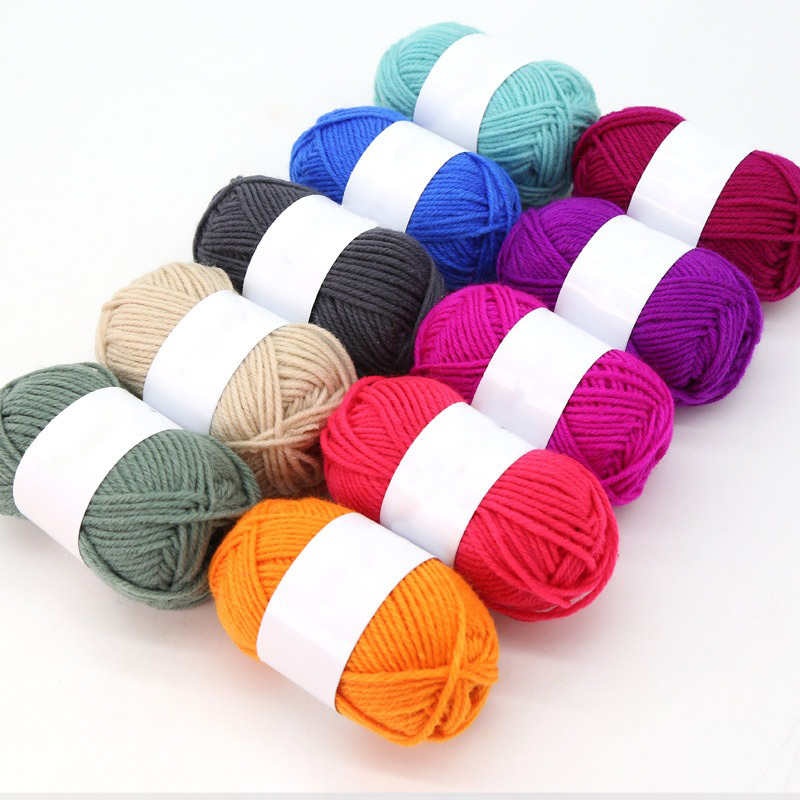
There is a skein of acrylic yarn in almost every stash. Maybe it came from a bargain bin. Maybe it was the only thing left in the right color. Maybe it was a gift, or a leftover from a beginner project, or something picked up on a whim because it felt soft and looked bright. It sits there, slightly unloved, while the wool and cotton get all the attention. Many knitters and crocheters treat acrylic as a compromise, something you use when you can’t afford the good stuff, something that squeaks on the needles and pills after a few washes. This is a mistake. Not all acrylic yarns are the same. Not all projects are the same. And dismissing acrylic outright means missing out on one of the most versatile, practical, and genuinely useful fibers in the craft world.
The truth is that every project has a perfect yarn. A yarn whose fiber content, twist, and durability match the purpose of the finished object. A yarn that will hold its shape, survive repeated washing, and look good for years. A yarn that makes the making itself more enjoyable. The key is knowing which yarn belongs to which project. And acrylic deserves a fair hearing in that conversation.
Let’s start with the most common use of acrylic: baby items and children’s clothing. Babies are messy. They spit up, blow out, and grow out of things in weeks. Parents do not have time for hand washing and flat drying. Acrylic is machine washable, dryable, and tough. It survives bleach, hot water, and repeated trips through the laundry. A good acrylic yarn for baby projects should be soft against sensitive skin, free of harsh dyes, and tightly spun so it doesn’t shed fibers. It should have enough elasticity to stretch over a head and snap back. Too rough, and it irritates. Too loose, and it pills immediately. A well-chosen acrylic is not a compromise for baby knits. It is often the smartest choice.
Now let’s talk about blankets and throws. These are large, heavy, and used daily. They get dragged around, sat on, spilled on, and washed constantly. They need a yarn that can take abuse. Acrylic is ideal here. It is durable, colorfast, and inexpensive enough that you can make a king-size blanket without taking out a loan. A good acrylic for blankets should be consistent in thickness, resistant to pilling, and soft enough to snuggle under. It should hold its stitch definition through years of washing. Avoid overly fuzzy acrylics for blankets, as they mat and shed. A smooth, tightly twisted acrylic will outlast many fancy fibers in this role.
Garments are where acrylic gets the most criticism, and sometimes fairly so. Acrylic does not breathe like wool. It can feel clammy against the skin. It does not block or felt. But for certain garments, it works beautifully. Sweaters for people who are rough on clothes. Cardigans that need to be washed often. Colorwork projects where you want vivid, lasting color without dye bleeding. Children’s hats and mittens that will be lost before they wear out. For these, acrylic is not a downgrade. It is a practical decision. The key is to choose a softer acrylic blend for anything worn against the skin, and to accept that it will behave differently from wool. It will not stretch the same way. It will not insulate the same way. But it will hold up.
Home decor is another area where acrylic shines quietly. Pillows, coasters, baskets, plant hangers, and pet beds all benefit from a yarn that is washable, sturdy, and cheap enough to be practical. Acrylic takes dye well, holds bright colors, and resists fading in sunlight. It does not attract moths. It does not felt accidentally in the wash. For items that are meant to be used rather than treasured, acrylic is often the smarter choice.
Amigurumi and toys are practically built for acrylic. These projects need tight, even stitches, firm structure, and durability. They get squeezed, thrown, chewed, and washed. Acrylic holds its shape, shows stitch detail clearly, and comes in every color under the sun. A good acrylic for amigurumi should be smooth, not splitty, and firm enough to crochet tightly without hand pain. It should not shed or fuzz, because fuzz obscures the face and details. For toys, acrylic is not a compromise. It is the standard for good reason.
Socks and accessories are trickier. Acrylic alone does not wick moisture or regulate temperature like wool. It can stretch out and not recover. But acrylic blends with wool or nylon can be excellent for socks, especially for people who are allergic to wool or who want easy-care socks. The key is the blend ratio. A small amount of nylon adds durability. A bit of wool adds warmth and elasticity. Pure acrylic socks tend to sag and smell. A well-designed blend can outperform expectations.
Beyond specific project types, there are a few general principles to keep in mind when choosing acrylic yarn. First, consider the softness. Not all acrylics are created equal. Some are rough and squeaky. Some are buttery and pleasant. Second, consider the twist. Tightly twisted acrylic resists pilling and holds stitch definition. Loosely twisted acrylic pills and sheds. Third, consider the ply. Multi-ply acrylic is stronger and more consistent than single-ply. Fourth, consider the finish. Some acrylics are brushed for softness, which feels lovely but pills faster. Fifth, consider the blend. Acrylic mixed with wool, cotton, or nylon can offer the best of both worlds.
There is also the question of sustainability. Acrylic is a synthetic fiber made from petrochemicals. It does not biodegrade. It sheds microplastics in the wash. These are real concerns, and they matter. But the answer is not to reject acrylic entirely. The answer is to use it intentionally. Make things that will last. Wash them less often. Use a filter bag. Choose quality acrylic over disposable acrylic. A well-made acrylic blanket that lasts twenty years is a better environmental choice than five wool blankets that pill and get tossed.
The bottom line is that acrylic yarn is not a cheap substitute for “real” yarn. It is a tool with its own strengths, weaknesses, and best uses. It is washable, durable, affordable, and available in more colors than any natural fiber. It is not right for every project. But for the right project, it is often the best choice available. Once you stop apologizing for using acrylic and start choosing it deliberately, your projects will improve, your stash will make more sense, and your craft will be more enjoyable. And that skein sitting in the bottom of your bag might just turn out to be exactly what you needed.