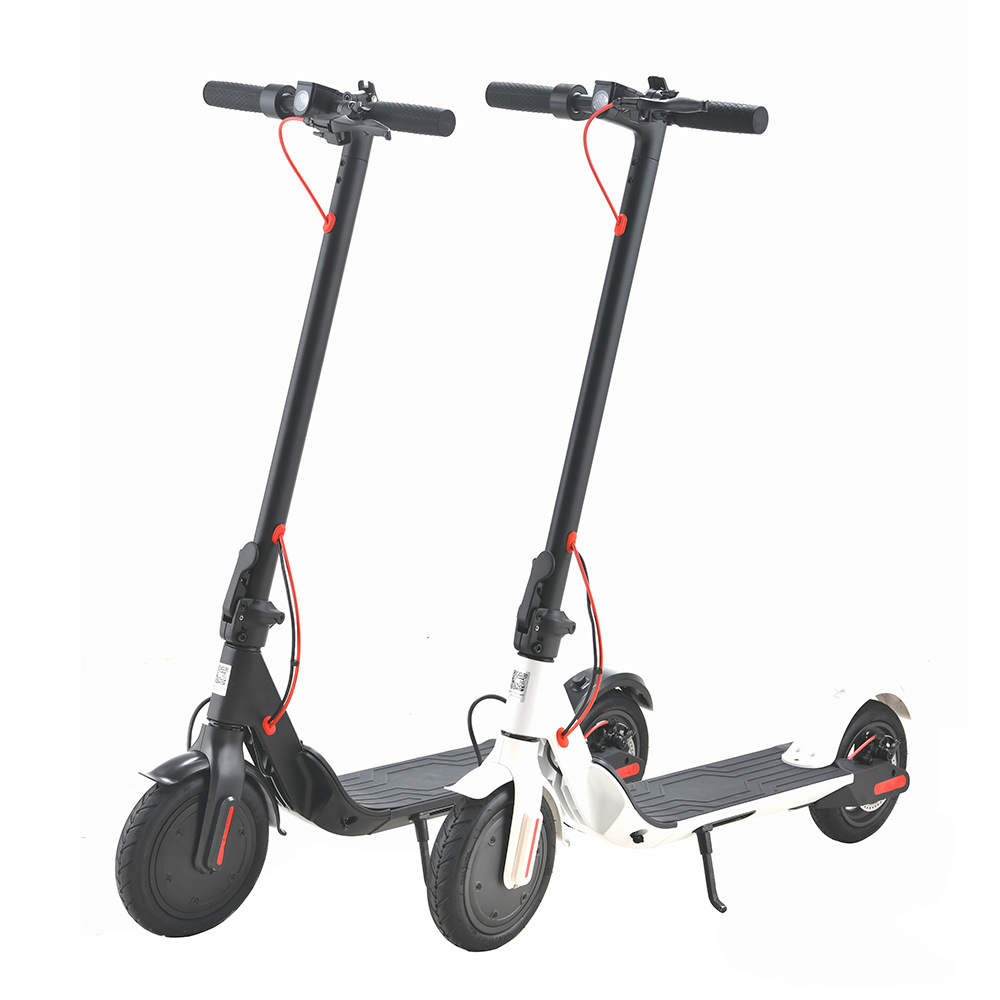
Most people have a garage or hallway corner cluttered with electric scooters they have accumulated over the years. A heavy-duty one from a commuter phase. A lightweight one from a spontaneous online sale. A foldable one bought for a short trip. A high-speed one that seemed exciting at the time. And they use them interchangeably, grabbing whatever is closest when they need to get somewhere. This is a mistake. Not all electric scooters are the same. Not all riders are the same. And using the wrong scooter can drain your battery, compromise your safety, and make your daily commute a source of stress rather than freedom.
The truth is that every rider has a perfect electric scooter. A scooter that is designed for their specific commute, weight, and riding style. A scooter that will keep them moving efficiently for years to come. A scooter that will make every trip more enjoyable and more convenient. The key is knowing which scooter is right for which rider. And that is what we are going to explore.
Let’s start with the most common rider in most cities: the casual commuter. Casual commuters are lightweight, relatively inexperienced, and do not need extreme speed. A simple, affordable electric scooter will do. But not all entry-level scooters are created equal. Look for one with a stable deck, smooth acceleration, and reliable brakes. Look for one that has a motor powerful enough for gentle hills but not so powerful that it feels uncontrollable. Too weak, and you will struggle on slopes. Too strong, and you may feel unsafe. A good entry-level scooter is inexpensive, durable, and perfectly adequate for short urban trips.
Now let’s talk about daily commuters. These riders are more demanding than casual users. They travel longer distances. They face traffic, potholes, and unpredictable weather. They deserve a scooter that respects those challenges. A scooter with a larger battery, wider tires, and a robust frame is ideal. It will support the rider’s weight and maintain stability at higher speeds. A scooter with a reliable suspension system is also useful, as it absorbs shocks and keeps the ride comfortable. Avoid ultra-light scooters for daily commuting. They are too fragile, and they will leave you stranded when the battery fades.
High-performance scooters are the most demanding machines in terms of rider requirements. They are fast. They are powerful. They are expensive. They need a rider who can handle their acceleration and maintain their components. A dual-motor scooter with a strong frame is the gold standard. It should be sturdy enough to handle high speeds without wobbling. It should have brakes strong enough to stop safely in an emergency. And it should have a smooth throttle response that will not jerk the rider forward. Some high-performance scooters also have regenerative braking, which extends range and saves energy.
Folding scooters are a category of their own. They can be carried in several ways. The most common is to fold them and lift them onto public transport or into a car trunk. This works well for short commutes and mixed-mode travel. But for heavier riders, who need more stability, a non-folding scooter is often a better choice. Non-folding scooters have a fixed frame that is stronger and more rigid, allowing them to handle rougher roads. This prevents wobbling and keeps the ride secure. When choosing a folding scooter, look for one with a secure latch that will not pop open while riding.
Off-road scooters are similar to high-performance models in that they can be used in different ways. All-terrain scooters with knobby tires can handle gravel and dirt paths. Commuter scooters with street tires can handle paved roads. The key is to avoid riding a scooter beyond its intended terrain or leaving it vulnerable to water damage. For wet conditions, consider a scooter with IP-rated water resistance and fenders, which provide protection from splashes.
Long-range scooters are perhaps the most varied category. A casual long-distance rider can use almost any scooter with a large battery. A touring rider, on the other hand, needs special care. High-capacity batteries and efficient motors can be drained by strong headwinds. They can overheat on long climbs. They can lose range if ridden aggressively. For these riders, a scooter with a high watt-hour battery is ideal. Long-range scooters are equipped with robust battery management systems, which provide a safe, consistent power output. They are efficient enough to support the rider without wasting energy. And they are reliable, which makes them a pleasure to depend on.
Cargo scooters and heavy-duty models are the heavyweight champions of the scooter world. They need a motor that is strong, sturdy, and wide. A high-torque motor or a dual-motor setup is the best choice. The scooter should be wide enough to support a rider and cargo, preventing them from tipping. It should have a strong frame that can support the weight without bending. And it should have a smooth acceleration that will not jerk the load. Avoid weak motors for cargo scooters. They will overheat under the weight and leave deep strain on the battery.
Lightweight scooters like carbon-fiber models and ultralight commuters require a gentle touch. A well-tuned motor or a smooth controller is ideal. Lightweight scooters are built with soft, responsive acceleration that moves the rider without overwhelming them. They are slim, which saves space. And they come in a variety of designs, which makes them a stylish addition to any commute. Avoid high-powered motors for lightweight scooters, as the torque can overwhelm the frame. Avoid rough terrain, as it can damage delicate components.
Accessories like helmets, locks, and lights also need consideration. Helmets can be hung on a hook or stored on a shelf. Locks can be carried in a backpack or mounted on the stem. Lights can be attached to the handlebars or integrated into the scooter. These specialized accessories keep riders safe and prepared, which makes every trip a much more pleasant experience.
Beyond the specific scooter types, there are a few general principles to keep in mind when choosing an electric scooter. First, consider the weight of the rider. Heavier riders need stronger motors and batteries. Second, consider the terrain. Rough roads need wider tires and better suspension. Third, consider the space. Folding scooters save space, which is always a plus. Fourth, consider the aesthetics. A well-designed scooter makes a commute look intentional. Fifth, consider sustainability. Scooters with recyclable batteries and energy-efficient motors are better for the planet.
The bottom line is that electric scooters are not a one-size-fits-all solution. They are tools, and like any tools, they work best when they are matched to the task at hand. By taking the time to choose the right scooter for each rider and each trip, you can protect your safety, save energy, and create a commute that is a pleasure to use. It is a small investment of time and money that pays dividends every single day. And once you experience the difference, you will never go back to a garage full of mismatched, neglected scooters again.