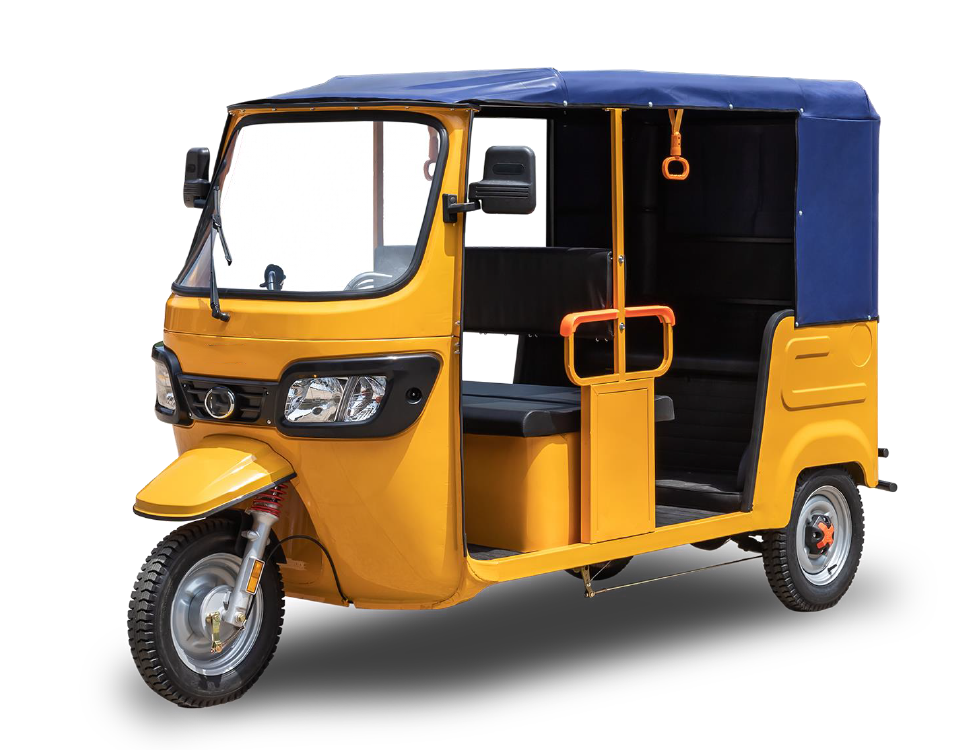
While electric tricycles are growing fast, fuel-powered tricycles remain the first choice in many parts of the world. In regions with long distances, rough roads, or unreliable electricity, a petrol tricycle is often the more practical and profitable option. This article explains what importers should look for when sourcing fuel-powered tricycles.
1. Engine: Displacement and Real Power
The engine is the heart of a fuel tricycle. Common displacements range from 150cc to 300cc and above. But displacement alone does not tell the whole story. Ask your supplier about:
- Engine type (air-cooled or water-cooled)
- Real power output under load
- Fuel consumption per 100 km
- Performance on hills and with full cargo
A water-cooled engine handles long hours and hot climates better, while air-cooled is simpler and cheaper to maintain. The right choice depends on your market.
2. Cooling System and Heat Management
In hot climates, overheating is one of the most common problems for fuel tricycles. A water-cooled engine with a proper radiator is more suitable for heavy daily use. Confirm with your supplier how the cooling system performs in high temperatures, and whether the radiator and fan are sized correctly for the load.
3. Frame and Load Capacity
Fuel tricycles are often used for heavy cargo. The frame must be strong enough to handle that load day after day. Ask about:
- Steel tube thickness
- Rated load capacity
- Rear axle type and strength
- Suspension design for rough roads
A frame that is too light may look fine in a sample, but it will crack under real working conditions.
4. Transmission and Clutch
For cargo use, the transmission and clutch take heavy wear. Confirm whether the tricycle uses a manual or semi-automatic transmission, and how the clutch performs under load. Ask which parts are most commonly replaced in your market, and whether they are easy to source locally.
5. Brakes and Safety
A loaded fuel tricycle needs reliable brakes. Confirm the brake type (drum or disc), and whether the front and rear brakes are matched to the load capacity. Also check the lighting system, since many markets require working lights for road use.
6. Fuel System and Altitude/Temperature Adaptation
If you sell to markets with high altitude, extreme heat, or cold winters, the carburettor and fuel system may need adjustment. Ask your supplier whether they can tune the engine for your specific conditions, or whether local mechanics can handle it easily.
7. Spare Parts and Serviceability
This is one of the biggest advantages of fuel tricycles: they are usually easier for local mechanics to repair. Before ordering, ask:
- Which spare parts are commonly needed
- Whether they can be shipped with the order
- Whether technical manuals or diagrams are available
- Good spare parts support is what keeps your customers coming back.
- 8. Certificates and Market Requirements
- Depending on your target market, you may need certificates or test reports for the engine, emissions, and safety. Confirm with your supplier early what they can provide, and whether the documents match your local regulations.
- Conclusion
- Fuel-powered tricycles are not outdated — in many markets, they are the most practical solution. But choosing the right one means looking beyond the price tag: engine quality, cooling, frame strength, and spare parts support all decide whether your customers are satisfied. If you are sourcing fuel tricycles and want clear answers on specifications, certificates, and lead time, feel free to contact us.