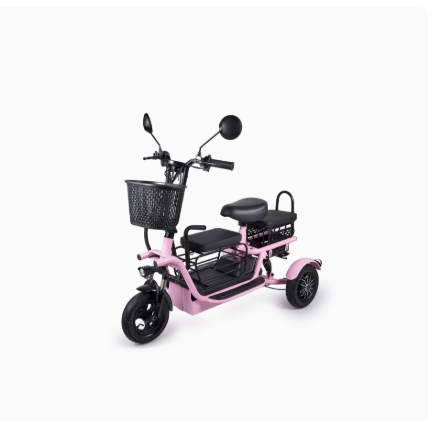
In recent years, electric tricycles (e-trikes) have emerged as one of the most versatile and eco-friendly modes of transport across the globe. Bridging the gap between two-wheelers and four-wheeled vehicles, they offer a unique combination of stability, cargo capacity, and energy efficiency that makes them indispensable for a wide range of applications—from last-mile delivery to passenger transport in congested city streets and rural areas alike.
Why Electric Tricycles Are Gaining Popularity
The growing demand for electric tricycles is driven by several key factors:
- Environmental Friendliness – As zero-emission vehicles, e-trikes contribute significantly to reducing urban air pollution and carbon footprints, especially in regions where internal combustion engine vehicles still dominate. With governments worldwide tightening emission regulations, electric tricycles offer a clean and compliant alternative for both commercial and personal use.
- Cost-Effectiveness – Compared to cars or vans, electric tricycles have substantially lower purchase, maintenance, and operating costs. Electricity is far cheaper than gasoline or diesel, and the simplified drivetrain (with fewer moving parts) means less frequent repairs and longer service life.
- Maneuverability and Convenience – Their narrow width and tight turning radius allow e-trikes to navigate through heavy traffic, narrow alleys, and crowded markets where larger vehicles cannot go. This makes them ideal for urban delivery services, street vending, and community patrols.
- Cargo and Passenger Versatility – Modern electric tricycles come in a variety of configurations, including flatbed cargo models, enclosed box-type carriers, and passenger variants with rear seats or canopies. This adaptability allows businesses and individuals to customize the vehicle to suit their specific needs, whether transporting goods, food, or people.
Key Technical Features of Quality Electric Tricycles
For fleet operators and individual buyers alike, understanding the core technical specifications is essential when choosing a reliable electric tricycle:
- Motor Power – Ranging typically from 500W to 3000W, the motor determines the vehicle’s climbing ability and top speed. Higher wattage is recommended for hilly terrains or heavy-load applications.
- Battery Technology – Most quality e-trikes use deep-cycle lead-acid or lithium-ion batteries. Lithium batteries, while more expensive upfront, offer longer lifespan, lighter weight, and faster charging times, making them increasingly popular among commercial users.
- Braking System – Reliable brakes (disc or drum type) are critical for safety, especially when the vehicle is fully loaded. Many models now feature regenerative braking, which recovers energy during deceleration to extend range.
- Suspension and Tires – Robust suspension systems and puncture-resistant tires ensure a smooth ride even on uneven roads, enhancing both driver comfort and cargo protection.
Applications Across Industries
Electric tricycles have proven themselves valuable in numerous sectors:
- Logistics and Courier Services – With the explosion of e-commerce, last-mile delivery has become a logistical challenge. E-trikes offer an affordable and nimble solution for courier companies to make multiple stops quickly and legally in city centers.
- Street Vendors and Food Carts – Mobile food businesses and market vendors rely on e-trikes as mobile storefronts, equipped with custom racks, awnings, or even refrigeration units.
- Public Transport – In many developing countries, passenger e-trikes serve as affordable, on-demand public transportation, filling the gap left by insufficient bus and rail networks.
- Industrial and Agricultural Use – Factories, warehouses, and farms use cargo e-trikes for internal material handling, tool transportation, and harvesting support.
Challenges and Considerations
Despite their many advantages, electric tricycles face certain challenges that buyers should be aware of:
- Range Anxiety – While modern batteries offer ranges between 40–120 km per charge, this can be affected by load weight, terrain, and driving habits. Buyers should select models with range exceeding their daily requirements to account for degradation over time.
- Charging Infrastructure – Availability of charging stations varies by region. For many users, home or depot-based charging remains the primary option, so access to a reliable power outlet is essential.
- Regulatory Compliance – Different countries and municipalities have varying rules regarding e-trike licensing, speed limits, and allowed lanes. Manufacturers and buyers must stay informed about local regulations to ensure road legality.
- Quality Consistency – As with any growing industry, quality varies widely across brands. It is crucial to partner with established manufacturers that use certified components and offer after-sales support.
The Future Outlook
The global electric tricycle market is projected to grow at a compound annual growth rate (CAGR) of over 8% in the next five years, driven by urbanization, rising fuel costs, and increasing environmental awareness. Technological innovations—such as swappable battery systems, IoT-based fleet management, and improved motor efficiency—will further enhance the value proposition of e-trikes.
For manufacturers, the key to success lies in balancing affordability with durability, offering customization options, and providing responsive customer service. For buyers, investing in a well-built electric tricycle is not just a purchase—it’s a step toward a greener, more efficient, and cost-effective future.
Conclusion
Electric tricycles are no longer a niche product; they are a practical, sustainable, and economically sound solution for modern mobility challenges. Whether you’re a business owner looking to streamline deliveries, a vendor seeking a mobile shop, or an individual wanting a reliable daily commuter, the electric tricycle offers a compelling package that checks all the boxes. As technology continues to advance and infrastructure expands, the e-trike is poised to become an even more integral part of our transportation ecosystem.