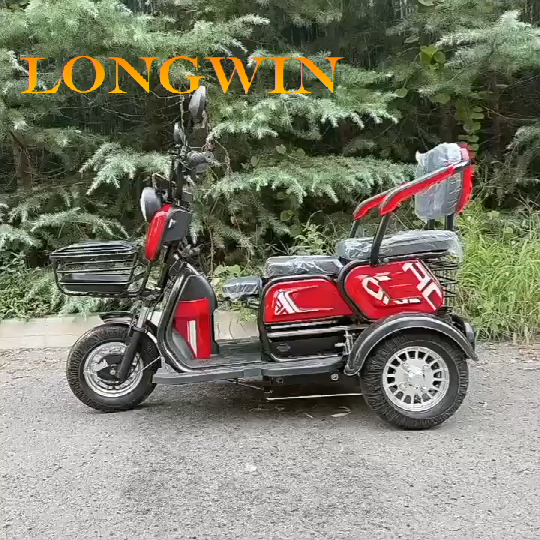
The Rise of Electric Tricycles: A Sustainable Solution for Modern Mobility
In recent years, the global transportation landscape has witnessed a significant shift toward electric mobility. Among the many innovations emerging from this green revolution, the electric tricycle—often referred to as an e-trike—has gained considerable attention. Combining the stability of a three-wheeled design with the efficiency of electric power, electric tricycles are becoming a popular choice for a wide range of users, from senior citizens and urban commuters to commercial delivery services.
This article explores the features, benefits, applications, and future potential of electric tricycles, shedding light on why they are poised to become a staple in sustainable transportation.
What Is an Electric Tricycle?
An electric tricycle is a three-wheeled vehicle powered by an electric motor and a rechargeable battery. Unlike traditional bicycles or scooters, e-trikes offer enhanced stability due to their three-wheel configuration, making them accessible to individuals who may have balance concerns. They come in various designs, including:
- Cargo e-trikes – designed for transporting goods
- Passenger e-trikes – built to carry one or more passengers
- Folding e-trikes – compact and portable for urban dwellers
- Recreational e-trikes – ideal for leisure riding and outdoor activities
Key Features of Modern Electric Tricycles
1. Powerful Electric Motor
Most electric tricycles are equipped with brushless DC motors ranging from 250W to 1000W or more, depending on the model and intended use. These motors provide smooth acceleration and allow the vehicle to tackle inclines with ease.
2. Long-Lasting Lithium Batteries
Modern e-trikes use lithium-ion batteries, which are lightweight, durable, and fast-charging. Depending on the capacity (typically between 10Ah and 30Ah), a single charge can deliver a range of 40 to 100 kilometers.
3. Sturdy Frame and Comfortable Design
E-trikes are built with robust steel or aluminum frames to support heavier loads and ensure longevity. Many models feature adjustable seats, suspension systems, and ergonomic handlebars for a comfortable riding experience.
4. User-Friendly Controls
With intuitive throttle systems, pedal-assist modes, and LCD displays showing speed, battery level, and distance, electric tricycles are easy to operate for users of all ages.
5. Safety Features
Safety is a top priority in e-trike design. Most models come with:
- Front and rear LED lights
- Reflective strips
- Disc brakes or drum brakes
- Horns and rearview mirrors
- Wide tires for better grip
Benefits of Electric Tricycles
🌱 Eco-Friendly Transportation
Electric tricycles produce zero emissions, helping reduce air pollution and carbon footprint. They are an excellent alternative to gas-powered vehicles for short-distance travel.
💰 Cost-Effective
Compared to cars or motorcycles, e-trikes are far more affordable to purchase and maintain. Charging an electric tricycle costs only a fraction of what you would spend on fuel, and the absence of complex engines means fewer repairs.
👵 Ideal for Seniors and People with Mobility Issues
The three-wheel design offers superior balance, making e-trikes a safe and comfortable option for older adults or those recovering from injuries. Many models also feature low step-through frames for easy mounting and dismounting.
🚚 Versatile Applications
From delivering goods in crowded cities to transporting children or groceries, electric tricycles are incredibly versatile. In many countries, they are used as:
- Mobile food stalls
- Waste collection vehicles
- School transport
- Tourist shuttles
Applications Across Industries
🛒 E-Commerce and Logistics
With the boom in online shopping, last-mile delivery has become a major challenge. Electric cargo trikes offer a practical solution—they can navigate narrow streets, park easily, and carry significant loads without contributing to traffic congestion or pollution.
🏥 Healthcare and Community Services
In some regions, e-trikes are used as ambulances or mobile clinics, especially in rural areas where access to healthcare is limited. Their low cost and maneuverability make them ideal for such critical applications.
🌾 Agriculture
Farmers use electric trikes to transport tools, produce, and supplies across fields and rural roads. Their ability to carry heavy loads without fuel costs is a game-changer for small-scale agriculture.
Challenges and Considerations
While electric tricycles offer numerous benefits, there are a few challenges to consider:
- Battery Range Anxiety: Although improving, battery range can still be a limitation for long-distance travel.
- Charging Infrastructure: In some areas, access to charging stations may be limited.
- Speed Limitations: E-trikes are generally not designed for high-speed travel, making them unsuitable for highways.
- Regulations: Different countries have varying rules regarding e-trike usage, including licensing, speed limits, and where they can be ridden.
The Future of Electric Tricycles
As battery technology continues to improve and cities become more bike-friendly, the demand for electric tricycles is expected to grow. Manufacturers are exploring innovations such as:
- Solar-powered charging
- Smart connectivity (GPS, anti-theft alarms, app integration)
- Modular designs for easy customization
- Lightweight materials for better efficiency
Governments around the world are also encouraging the adoption of electric vehicles through subsidies, tax incentives, and infrastructure development, further boosting the e-trike market.
Conclusion
The electric tricycle is more than just a niche vehicle—it represents a shift toward cleaner, smarter, and more inclusive mobility. Whether you’re an urban commuter looking for a cost-effective way to get around, a business owner seeking efficient delivery solutions, or a senior wanting to maintain independence, an electric tricycle could be the perfect fit.
With their blend of practicality, affordability, and environmental friendliness, e-trikes are not just a trend—they are a lasting solution for the future of transportation.