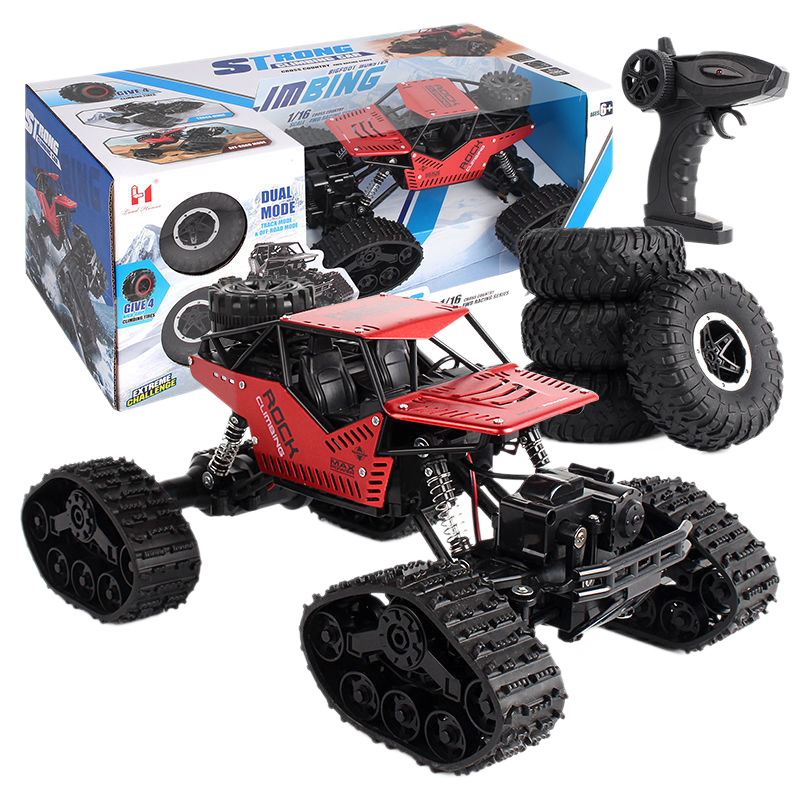
From Childhood Dreams to High-Speed Realities: The Unstoppable World of RC Cars
For generations, remote control (RC) cars have captured imaginations, offering a thrilling blend of technology, speed, and hands-on excitement. What began as simple toys has evolved into a sophisticated global hobby and sport, appealing to children, enthusiasts, and professional competitors alike. As a manufacturer at the heart of this dynamic industry, we witness daily how these miniature powerhouses deliver joy, challenge, and innovation.
A Journey Through Time: The History of RC
The story of RC cars starts in the mid-1960s with clunky, radio-controlled models that were largely the domain of dedicated hobbyists. Early versions were expensive, complex, and often ran on nitro-methane fuel. The 1970s and 80s saw a revolution with the introduction of more affordable electric models, bringing RC cars into family homes. Today, advancements in microelectronics, battery technology (like Li-Po), and materials science have created cars that are faster, more durable, and more realistic than ever before. Modern RC vehicles can mimic the performance of their full-sized counterparts, with precise proportional steering, independent suspension, and astonishing top speeds exceeding 80 mph in some high-performance models.
More Than Just a Toy: The Diverse World of RC
The RC car landscape is wonderfully varied, catering to different interests and terrains.
- On-Road Cars: Designed for speed and precision on smooth surfaces like pavement or dedicated tracks, these sleek models resemble Formula 1 cars, touring sedans, and hypercars.
- Off-Road Vehicles: Built to conquer any landscape, this category includes monster trucks, buggies, truggies, and rock crawlers. With rugged tires, advanced shock absorbers, and waterproof electronics, they thrive on dirt, grass, mud, and gravel.
- Rock Crawlers: A specialty off-road segment focused on technical climbing over extreme obstacles, prioritizing torque, articulation, and meticulous low-speed control over outright speed.
- Drift Cars: Engineered with special tires and tuning to perform dramatic, controlled slides around corners, replicating the popular motorsport of drifting.
The Heart of the Machine: Technology and Innovation
Modern RC manufacturing is a testament to engineering excellence. Key components define the experience:
- Power Systems: Brushed motors offer an entry point, while brushless motor systems provide incredible efficiency, speed, and longevity. Paired with high-discharge Lithium Polymer (LiPo) batteries, they deliver explosive acceleration and longer run times.
- Chassis and Materials: Lightweight yet strong materials like carbon fiber, aluminum alloys, and advanced composites (e.g., nylon-filled plastics) create a balance between durability and performance.
- Transmitters and Receivers: 2.4GHz radio technology ensures interference-free control with exceptional range and responsiveness. Advanced systems offer telemetry data, such as real-time speed and battery voltage, directly to the controller.
- Suspension and Tuning: Fully adjustable oil-filled shocks, differentials, and customizable camber/toe angles allow users to fine-tune handling for any track or condition, mirroring real-world automotive engineering.
The Joy of Building and Customization
A fundamental appeal of RC culture is customization. For many hobbyists, the journey begins with building a kit from the ground up. This process provides deep understanding and a profound sense of accomplishment. The aftermarket parts ecosystem is vast, allowing owners to upgrade motors, shocks, tires, and bodies to enhance performance or express personal style. From scale-realistic truck bodies with intricate detailing to wild, colorful designs, the RC car becomes a personal statement.
RC as a Lifelong Hobby and Community
Remote control cars foster more than solitary play; they build communities. Local hobby shops, dedicated racetracks (both indoor and outdoor), and large-scale competitive events bring people together. Families bond over building and driving, while organized racing teaches sportsmanship, mechanics, and strategic thinking. For adults, it’s a rewarding technical hobby and a social outlet. For children, it nurtures STEM skills, hand-eye coordination, and responsibility.
Looking Ahead: The Future of RC
The future of remote control cars is bright and intelligent. We are integrating smarter connectivity features, app-based controls, and augmented reality racing experiences. Sustainability initiatives are leading to more efficient power systems and recyclable materials. Furthermore, the rise of affordable, high-quality Ready-to-Run (RTR) models continues to lower the barrier to entry, inviting a new generation of drivers to discover the thrill.
Conclusion
At our factory, we see every remote control car not just as a product, but as a vessel for adventure, learning, and connection. Whether it’s a child’s first taste of controlled speed, a family’s weekend project, or a racer’s pursuit of the perfect lap, the RC car remains a powerful and enduring source of fascination. It represents the timeless desire to drive, to explore, and to push the limits of what’s possible in the palm of your hand.