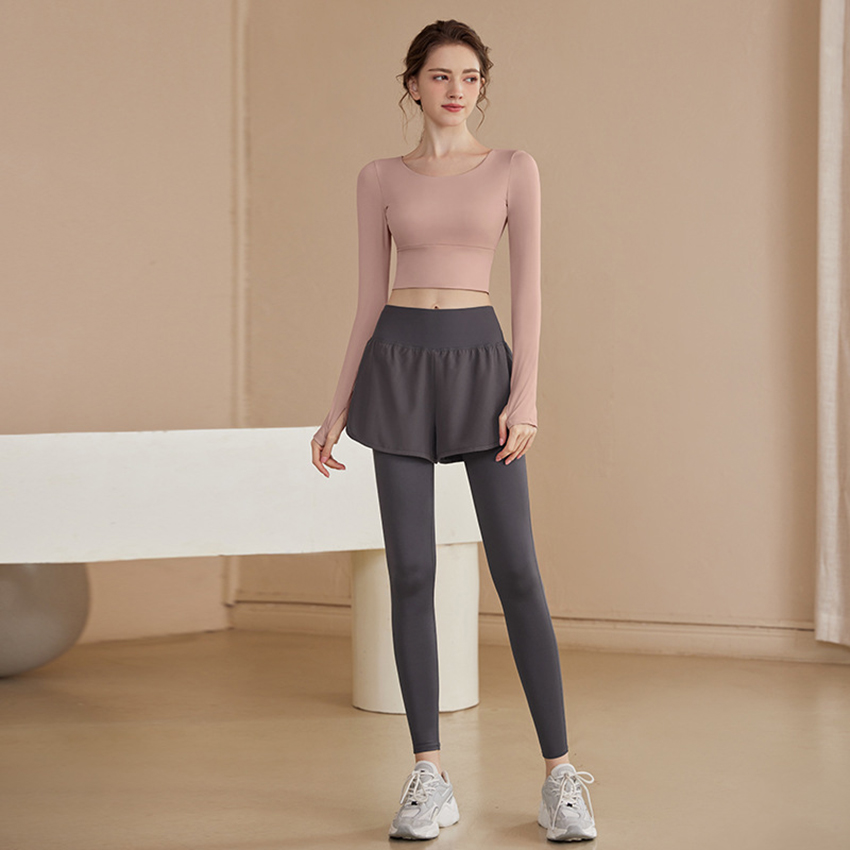
Once upon a time, women bought yoga wear based on a single criterion: does it help me perform better? Is the support adequate? Does it wick sweat quickly? Is it stretchy enough? These questions remain important — they form the foundation of performance activewear. But when performance features become standard across every brand, women start asking another question: How does it make me feel?
This may sound like a vague, emotional concern, yet it is precisely the most profound driver of change in the yoga wear market in recent years. Women are no longer just buying “something to exercise in.” They are buying a state of mind, an emotional experience during practice, and a way of being with their bodies.
A new generation of yoga wear is undergoing a fundamental identity shift: from “training tool” to “emotional vessel.”
For a long time, the design logic of activewear was built around helping women “correct” their bodies — pulling in here, lifting there, smoothing everywhere. The underlying message was subtle but persistent: your body, as it is, is not quite right. It needs shaping, containing, and improving.
That era is ending.
The body positivity movement has fundamentally changed how women approach clothing — and activewear is at the forefront of this change. Today’s yoga wear is designed to celebrate the body rather than constrain it. High-waisted leggings don‘t just offer tummy control; they honor the natural curves of the waist and hips. Cropped tops don’t require a six-pack to look good; they simply allow freedom of movement and a breath of fresh air.
The rise of extended sizing, diverse model representation in campaigns, and the popularity of unapologetically soft, non-compressive fabrics all tell the same story: activewear brands are finally listening to what women have been saying all along. We want clothes that fit our actual bodies, not clothes we have to fit into.
This is not a marketing tactic; it‘s a fundamental reorientation of how the industry views its customers. Women are no longer being told to “earn” the right to wear something by achieving a certain body shape. They’re being told that they are already enough.
When we talk about emotional value in apparel, we‘re talking about how a garment makes the wearer feel: confident, comfortable, joyful, protected, free. Emotional design asks, “How do you want to feel?” before it asks, “What do you need to do?”
In yoga wear, this translates into features that have little to do with performance metrics:
Softness as a priority
Fabric that feels like butter against the skin. Texture that soothes rather than supports. This isn’t about muscle engagement; it’s about sensory pleasure. When a fabric feels good, you relax into your practice more deeply. You breathe more fully. You stay on the mat longer.
Color as mood
Color psychology is real. Moody, muted earth tones invite introspection. Vibrant jewel tones energize and uplift. Soft pastels soothe. Brands that curate their color palettes with emotional intention are selling more than aesthetics — they’re selling a feeling.
Silhouette as expression
The shift toward relaxed, draped, and flowing silhouettes is not just about fashion. It‘s about autonomy. It’s saying that women can choose to be covered or uncovered, fitted or flowing, depending on how they want to feel that day. The choice itself is the value.
Details that matter
A hidden pocket that fits a phone. A key loop that actually holds keys. A hood that covers your head in savasana without being bulky. These are not just functional features — they reflect that the brand understands your life and cares about the small moments.