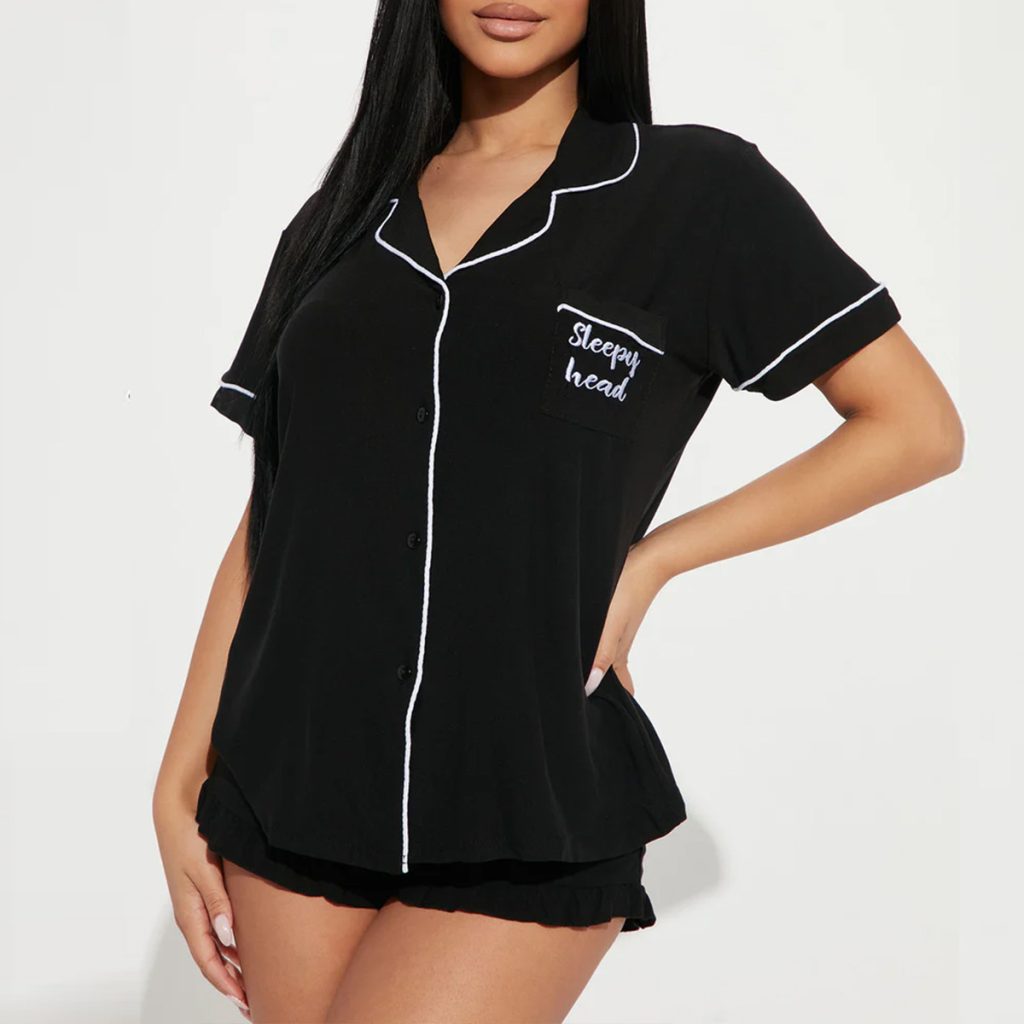
Walk through the sleepwear section of any store or scroll through an online shop, and you will find a bewildering array of fabric options. Cotton, modal, bamboo, silk, flannel, microfiber, blends — each label makes promises about comfort and quality. But what do these terms actually mean for the experience of sleeping in them? Understanding the real differences between fabrics helps you choose sleepwear that works with your body rather than against it.
Cotton: The Familiar Standard
Cotton is the most common sleepwear fabric for good reason. It breathes easily, allowing air circulation that helps regulate body temperature. It absorbs moisture — both sweat and humidity — pulling it away from the skin. It is durable and becomes softer with repeated washing. And it is widely available at accessible price points.
The limitations of cotton are real but manageable. It wrinkles easily, though wrinkles matter little for sleepwear. It absorbs moisture but does not wick it away rapidly, meaning cotton can become damp and stay damp in humid conditions or for people who sweat heavily during sleep. For most people, in most climates, lightweight cotton performs excellently year-round.
When shopping for cotton sleepwear, look for terms like “long-staple,“ “combed,“ or “Egyptian.“ These indicate longer cotton fibers, which produce smoother, softer fabric that resists pilling and lasts longer. Avoid cotton blends with high synthetic content, as these reduce breathability without adding meaningful durability.
Modal and Bamboo: The Soft Revolution
Modal — a fiber made from beech tree pulp — has transformed the sleepwear market. Its texture is dramatically softer than cotton, with a smooth, almost silky feel against skin. It drapes beautifully, resists shrinkage, and holds dye exceptionally well, keeping colors vibrant through many washes.
Bamboo viscose shares many characteristics with modal. It is exceptionally soft, breathable, and naturally moisture-wicking. Bamboo also contains natural antibacterial properties that help control odors between washes.
The trade-offs are subtle. Both modal and bamboo are less breathable than lightweight cotton, though still far more breathable than synthetics. Both are prone to pilling if manufactured poorly. And both require more careful washing — cold water, gentle cycle, air dry recommended — to maintain their texture over time.
For women who find cotton too rough against sensitive skin, or who experience friction-related irritation, modal and bamboo can be genuinely transformative. The difference in feel is immediately noticeable and often worth the higher price point.
Silk: The Luxury Choice
Silk is the rare fabric that genuinely delivers on its luxurious reputation. It is naturally thermoregulating, keeping you cool in warm weather and warm in cool weather. Its surface is exceptionally smooth, reducing friction against skin and hair. Silk does not absorb moisture the way cotton does, instead allowing it to evaporate quickly.
The downsides are significant. Silk is expensive. It requires special care — typically hand washing or dry cleaning. It is delicate and prone to staining and sun damage. For many people, silk sleepwear represents an occasional luxury rather than a practical everyday choice.
Flannel: Winter’s Answer
Flannel — typically cotton with a napped, brushed surface — exists for cold climates and cold sleepers. The brushing process raises the fibers, creating tiny air pockets that trap body heat. Quality flannel is soft without being bulky, warm without causing overheating.
The key variable in flannel is weight. Lightweight flannel works for cool autumn nights or heated homes. Heavyweight flannel is appropriate for unheated bedrooms or genuinely cold climates. The fabric’s primary limitation is seasonal — few people want flannel in July.
Making Your Choice
No single fabric works perfectly for every person or every season. Many people maintain a small rotation — lightweight cotton or bamboo for most of the year, flannel for winter, a silk set for travel or special occasions. The right choice depends on your local climate, your tendency to sleep hot or cold, your skin sensitivity, and your willingness to provide special care.
Start with one high-quality set in a fabric that addresses your primary need. If you sleep hot, choose lightweight cotton or bamboo. If you have sensitive skin, choose modal or high-quality cotton. If you are always cold, choose flannel. Experience that set for several weeks before expanding your collection. The information gained from actual use is far more valuable than any shopping guide.