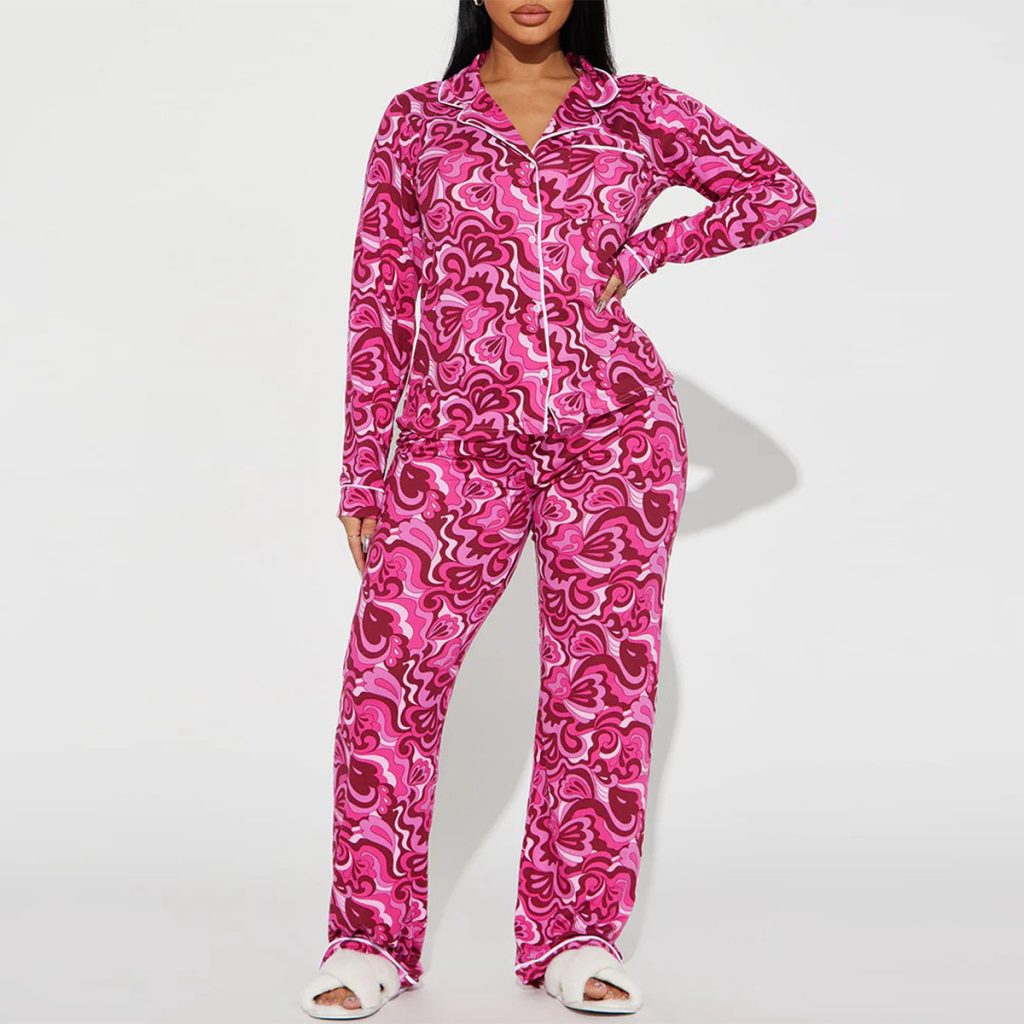
Something interesting has happened to sleepwear in recent years. The boundary between clothing for sleeping and clothing for living has blurred, then blurred further, until in many wardrobes it has nearly disappeared. The pandemic accelerated this trend, but it did not create it. The rise of loungewear — clothing comfortable enough for rest yet presentable enough for public — represents a genuine shift in how people think about dressing for home.
What Is Loungewear, Exactly?
Loungewear occupies the space between activewear and sleepwear. It is more structured than traditional pajamas, with details like tailored cuts, discreet pockets, and finishes that look intentional rather than purely functional. It is softer and less constructed than everyday clothing, with elastic waistbands, stretch fabrics, and relaxed silhouettes.
The genius of loungewear is its versatility. A well-designed loungewear set can take you from bed to breakfast to a morning video call without changing. It can handle a quick trip to the mailbox or coffee shop. It transitions from lounging on the couch to light housework to reading in bed. For many people, especially those who work from home, loungewear has effectively replaced both traditional pajamas and casual daywear.
The Fabric Innovation Driving the Trend
Loungewear would not exist without advances in fabric technology. Modal, bamboo, and TENCEL™ — all derived from plant materials but processed into exceptionally soft, durable textiles — provide the hand feel of luxury sleepwear with the structure of day clothing.
These fabrics drape rather than cling. They resist wrinkling. They breathe like cotton but feel much softer against skin. And they hold color and shape through repeated wear and washing — essential for clothing that sees heavy use.
Many loungewear pieces incorporate a small percentage of elastane or spandex (typically 5-10%) to provide shape retention without stiffness. This allows the garment to move with the body rather than restricting it, while still maintaining its silhouette when at rest.
How to Build a Loungewear Wardrobe
A functional loungewear wardrobe does not require many pieces. Start with two complete sets in neutral colors — one lighter weight for warmer months, one heavier for cooler months. Choose coordinating pieces rather than matching sets, so tops and bottoms can mix and match.
Key pieces to consider:
- A relaxed-fit sweat set (jacket and pants) in a soft, breathable fabric
- A modal or bamboo long-sleeve top with matching pants
- A lightweight robe or open cardigan for layering
- A sleep shirt that falls at mid-thigh, suitable for both bed and morning coffee
Avoid loungewear made entirely from synthetic fibers. These fabrics do not breathe, trap odors, and often feel clammy after extended wear. Stick with natural fibers or natural-dominant blends.
When Loungewear Is Appropriate
The rise of loungewear has created new questions about what is appropriate where. The general principle: loungewear is for home, casual errands, and travel. It is not for the office, even a casual one. It is not for dinner out, even a casual dinner. It is not for occasions where you would once have worn “nice casual“ clothing.
Within the home, however, almost anything goes. Many people now wear loungewear for everything from morning routines to Zoom calls to evening relaxation. The key is intentionality — choosing loungewear that looks deliberate rather than merely neglected. A matching set in a solid color reads as a choice. A stretched-out t-shirt and faded sweatpants read as giving up.
Making the Transition
If you have traditionally worn old t-shirts and shorts to sleep, the shift to intentional loungewear may feel strange at first. Give it time. Choose pieces that genuinely feel comfortable — not structured, not restrictive, not requiring special care. Wear them for a full day at home. Notice whether you feel more put-together, more ready to shift between activities, more comfortable overall.
For many people, the answer is yes. Loungewear does not replace the need for proper sleepwear or proper daywear. It occupies a useful middle ground — comfortable enough for rest, intentional enough for life. And in a world where home has become workspace, schoolspace, and relaxation space all at once, that middle ground has never been more valuable.