Sleep needs change with the seasons, and sleepwear should change with them. The pajamas that work beautifully for a mild autumn evening will leave you sweating in July or shivering in January. Understanding how to adapt your sleepwear across the year is one of the simplest ways to improve sleep quality in every season.
Spring: The Season of Transition
Spring presents a particular challenge for sleepwear. Nights remain cool while days warm, and indoor temperatures fluctuate considerably. The solution is versatility rather than specialization.
Lightweight cotton or bamboo in long-sleeve, long-pant configurations works well for spring. These fabrics provide enough coverage for cool nights without trapping excessive heat when temperatures rise unexpectedly. Capri-length pants and three-quarter sleeve tops offer another transitional option, providing coverage where needed while leaving skin exposed for temperature regulation.
For many people, spring is also the season to retire heavier sleepwear. Wash and store flannel and fleece once nighttime temperatures consistently stay above 10°C (50°F). Their time will come again.
Summer: Managing Heat and Humidity
Summer sleep demands fabrics that actively cool rather than merely avoiding warmth. The priority is moisture management — moving sweat away from the skin so it can evaporate and provide natural cooling.
Lightweight cotton, bamboo, and modal all perform well in summer, particularly in loose, unrestrictive cuts. Linen, often overlooked for sleepwear, is exceptional in hot, humid climates — its loose weave allows maximum airflow, and its texture, while rougher than cotton, becomes softer with each washing.
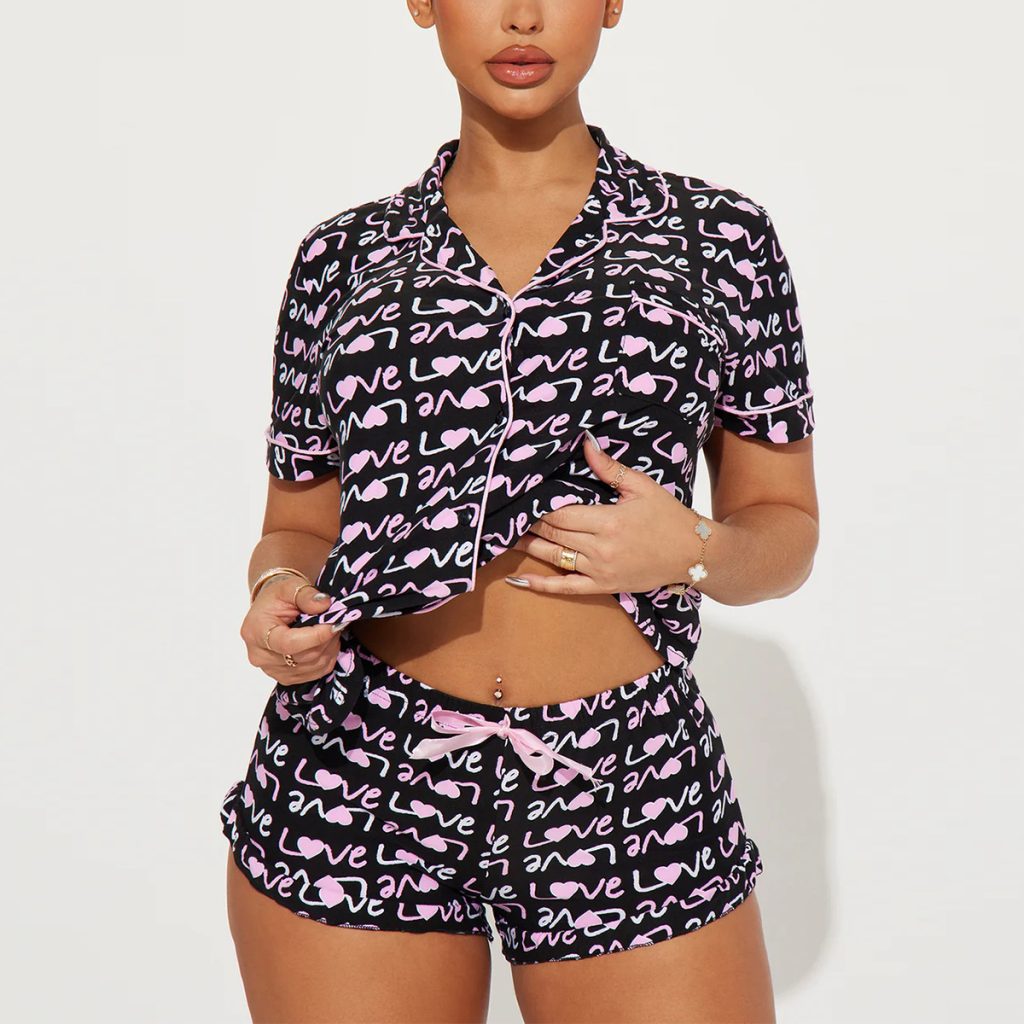
Cut matters as much as fabric in summer. Short sleeves and shorts or camisole-and-short combinations maximize skin exposure for cooling. Avoid tight fits, which trap heat and moisture against the body. Very loose styles, even in lightweight fabric, can actually feel warmer because fabric bunches and creates insulation layers.
For those who genuinely cannot tolerate any covering in summer, consider sleeping in a lightweight cotton camisole or tank top with no bottoms, or a very short nightgown. The goal is to balance comfort with the practical need for some moisture-absorbing layer against skin.
Autumn: Returning to Coverage
As temperatures drop, sleepwear needs shift toward warmth without the heaviness of winter options. Mid-weight cotton, jersey knits, and lightweight flannel all serve well in autumn.
Long sleeves and full-length pants return to the rotation, but choose fabrics that breathe. Autumn often brings the most comfortable sleeping weather of the year — cool enough for cozy fabrics, not yet cold enough to require insulation. Many people find this is when they sleep best.
This is also an excellent season to experiment with layering. A cotton sleep shirt over cotton pants provides adjustable warmth, with the ability to remove the shirt if temperatures rise during the night.
Winter: Warmth Without Weight
Winter sleep presents the challenge of staying warm without overheating — a delicate balance that poor sleepwear disrupts. The solution is insulation that breathes.
Flannel is winter’s signature sleepwear fabric for good reason. The brushed surface creates trapped air that insulates without the weight of multiple layers. Quality flannel wicks moisture as well as any cotton, preventing the clammy feeling of synthetic alternatives.
For genuinely cold climates or unheated bedrooms, consider layering. A lightweight cotton or bamboo base layer against skin, topped with a flannel sleep shirt or robe, provides adjustable warmth. Some people also add bed socks — a separate consideration from sleepwear but equally important for winter comfort.
Avoid synthetic “fleece“ sleepwear for winter. While these fabrics feel warm initially, they trap moisture against skin, leading to temperature fluctuations and discomfort as the night progresses.
Year-Round Principles
Regardless of season, several principles apply consistently. Fabric should breathe — if you feel clammy or sweaty in the first hour of sleep, your sleepwear is too warm or insufficiently breathable. Fit should allow movement without excess fabric that bunches. Coverage should match both your comfort preferences and your need for temperature regulation.
Pay attention to what your body tells you. If you wake frequently during the night, check whether you are too warm or too cool. Adjust sleepwear accordingly. Over the course of a year, these adjustments become second nature — and your sleep quality improves as a result.