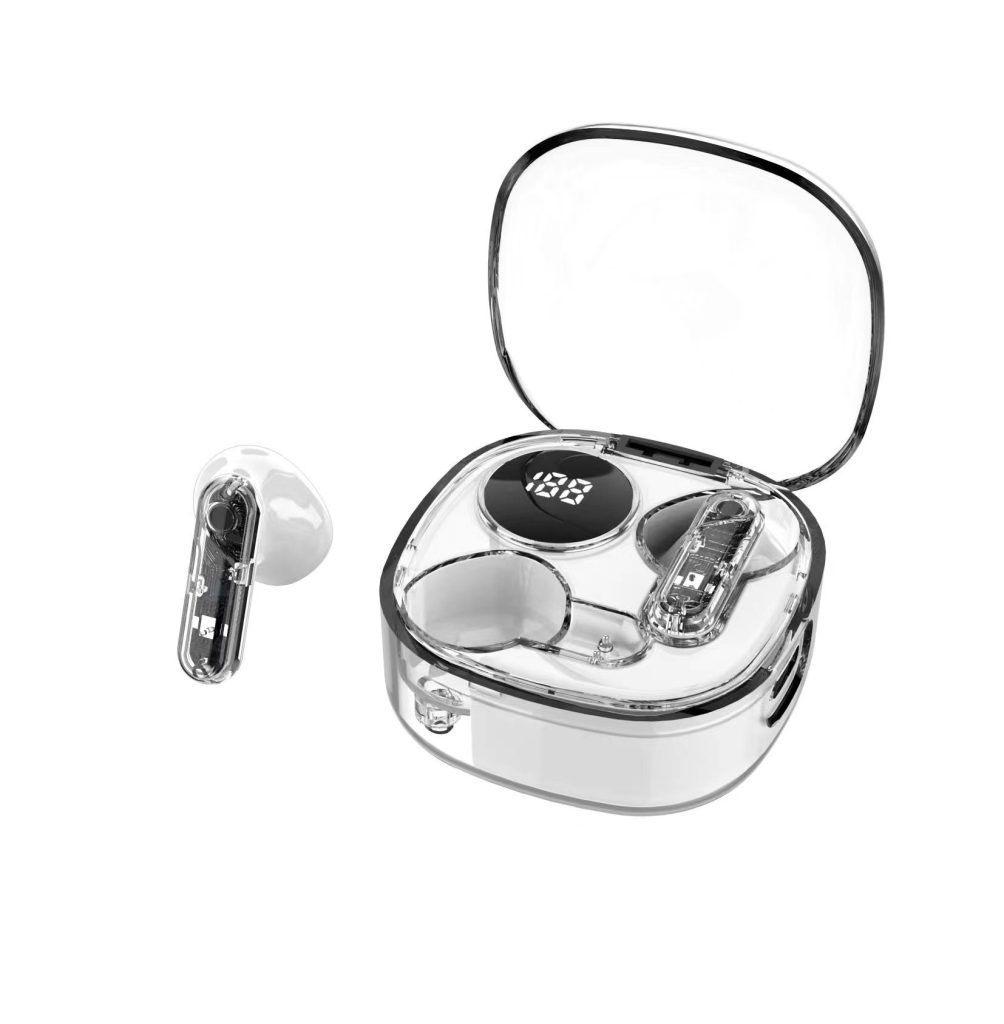
In the noisy urban landscape, a pair of quality noise-cancelling Bluetooth headphones functions like a portable “silent room.” This technology that magically eliminates ambient noise conceals an exquisite interplay between acoustics and algorithms.
The core principle of active noise cancellation is “canceling sound with sound.” Built-in microphones continuously capture environmental noise, and processors analyze its characteristics within milliseconds to generate opposite sound waves. When the two meet, the noise is neutralized. The challenge lies in precision and speed—any delay significantly reduces effectiveness.
Modern noise-cancelling headphones typically employ hybrid systems. Feedforward microphones on the outer surface capture external noise, while feedback microphones inside monitor the actual sound reaching the eardrum. Some advanced models incorporate additional outward-facing microphones to better handle wind noise. This multi-dimensional noise capture ensures comprehensive noise reduction across different scenarios.
Adaptive noise cancellation represents the new frontier of this technology. Headphones can now automatically adjust cancellation intensity based on activity—stronger cancellation in airplanes, moderate in offices, and minimal on streets. Some models even feature intelligent recognition that automatically reduces cancellation when detecting speech, ensuring conversations aren’t interrupted.
The humanization of noise cancellation technology manifests in subtle details. Quick Attention modes allow users to temporarily deactivate cancellation with a simple gesture to listen to announcements. Some premium headphones can now identify different noise types and apply targeted processing—more effective reduction for subway rumble, lighter processing for café chatter.
Looking forward, new noise cancellation technologies continue to emerge. Some companies are developing systems that use bone conduction sensors to detect noise transmitted through the skull, achieving more precise cancellation. Others are experimenting with AI algorithms that can predict noise patterns and generate counter-waves in advance.
More importantly, noise cancellation technology is evolving from eliminating noise to intelligent sound environment management. Future headphones may automatically adjust audio based on health data—providing relaxing music when stress is detected or energizing tracks when fatigue is sensed. They could even integrate with smart homes to synchronize indoor sound environments.
In this age of information overload, noise cancellation headphones provide not just quiet but a carefully crafted personal acoustic space. They represent not only technological achievement but also a thoughtful response to the modern need for focus and tranquility.