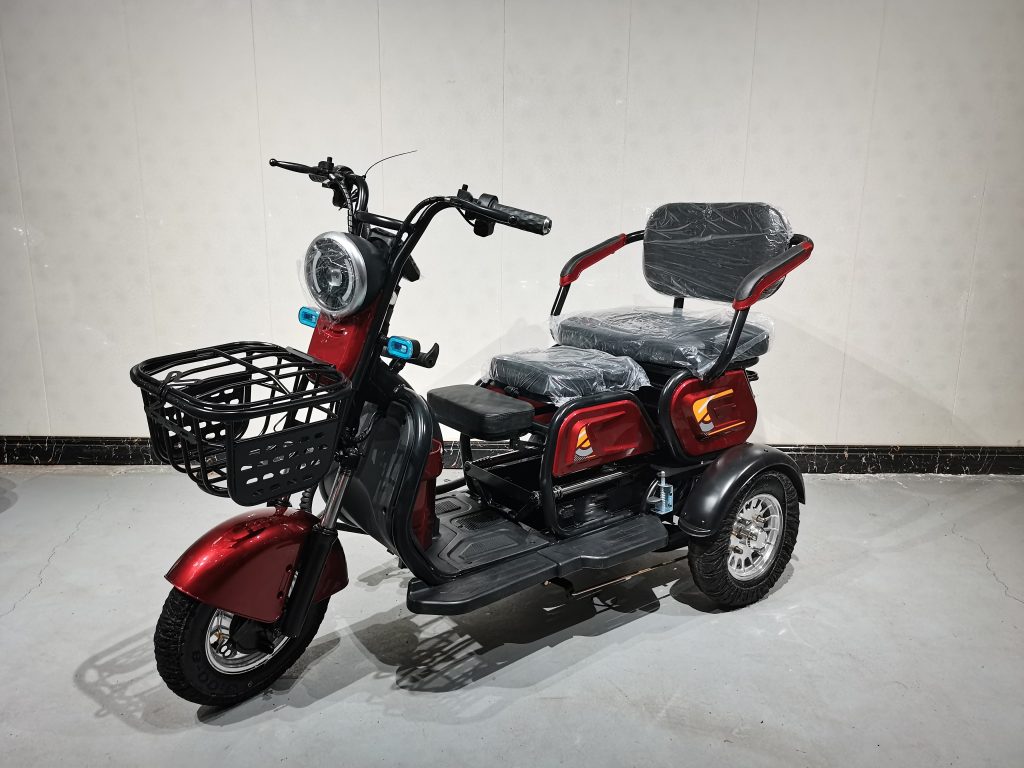
On the bustling streets of cities worldwide and the quiet lanes of countless villages, a humble vehicle is silently revolutionizing mobility. It is not the sleek electric car nor the ubiquitous electric scooter, but a workhorse that bridges the gap between them: the electric tricycle. With its three wheels and electric heart, it carries goods, people, and livelihoods, navigating a complex landscape of pressing need, regulatory ambiguity, and a sustainable future.
Defining the Workhorse: What is an Electric Tricycle?
At its core, an electric tricycle, or e-trike, is a three-wheeled vehicle propelled by an electric motor powered by rechargeable batteries. It builds upon the simple design of a traditional pedal tricycle but replaces or supplements human power with an electric drivetrain. This typically includes a battery pack, a controller, a motor (often in the wheel hub), and a throttle or pedal-assist system.
What sets the e-trike apart is its fundamental stability. The third wheel eliminates the balancing act required for two-wheelers, making it inherently safer and more accessible for a wider demographic. This stability, combined with its electric powertrain, creates a uniquely practical platform for both cargo and passengers.
A Spectrum of Roles: Types of Electric Tricycles
The versatility of the e-trike is best understood by looking at its various forms, each tailored to a specific need:
- Cargo E-Trikes: These are the undisputed kings of urban logistics. Designed with function over form, they feature a large, flat cargo bed or an enclosed box between the front wheel and the handlebars. They are the lifeblood of small businesses—delivering goods, collecting recyclables, and serving as mobile workshops for everyone from farmers to artisans. Their low running cost and ability to navigate narrow alleys make them indispensable.
- Passenger E-Trikes (E-Rickshaws): In many parts of Asia and increasingly in other regions, these serve as affordable, zero-emission public transport. Often enclosed with a cabin for passengers at the rear, they provide “last-mile” connectivity, ferrying people from transit hubs to their final destinations. They offer a source of income for drivers and an accessible transport option for the masses.
- Utility & Personal E-Trikes: This category includes models adapted for individuals with mobility challenges, offering independence without the need for a driver’s license in many areas. They are also popular among older adults who seek the stability of three wheels for grocery runs or leisurely rides around the neighborhood.
The Driving Force: Why the E-Trike Thrives
The global rise of the electric tricycle is not accidental; it is driven by a powerful confluence of advantages:
- Economic Viability: E-trikes are significantly cheaper to purchase, maintain, and “fuel” than cars or even gasoline-powered trikes. Electricity costs a fraction of gasoline, and the mechanical simplicity of the electric motor reduces maintenance needs.
- Environmental Credentials: As purely electric vehicles, they produce zero tailpipe emissions. This makes them powerful tools for improving urban air quality and reducing a community’s carbon footprint, especially when replacing older, polluting two-stroke engines.
- Unmatched Accessibility: Their ease of use is paramount. Almost anyone can learn to operate one within minutes. For millions, including the elderly, small business owners, and those in developing economies, they provide a level of mobility and economic opportunity that was previously out of reach.
- Practical Utility: The stable, three-wheeled platform can be customized to carry impressive loads. For small-scale logistics, they offer a perfect balance of capacity and agility, able to go where delivery vans cannot.
The Other Side of the Coin: Challenges and Controversies
Despite its benefits, the electric tricycle exists in a legal and perceptual gray area, leading to significant challenges:
- Regulatory Limbo: Authorities worldwide struggle to classify e-trikes. Are they bicycles, motor vehicles, or something else? This ambiguity leads to a patchwork of regulations concerning where they can be driven (bike lanes vs. roads), whether they require licensing and registration, and what safety standards they must meet.
- Safety Concerns: The very stability that is an asset can be a liability at higher speeds or on sharp turns. Concerns persist over their structural integrity, braking performance, and the visibility of often slower-moving e-trikes in fast-paced traffic. The lack of mandatory safety standards in some regions exacerbates these risks.
- Traffic Congestion and Conflict: In dense urban environments, the mix of slow, wide e-trikes with cars, scooters, and pedestrians can lead to traffic friction and accidents. Their unpredictable movements are a frequent source of complaint from other road users.
- Battery and Waste Issues: The environmental promise is tempered by the lifecycle of their lead-acid or lithium-ion batteries. Unsafe recycling practices and the eventual disposal of these batteries pose a significant environmental hazard if not properly managed.
The Road Ahead: The Future of the Electric Tricycle
The future of the e-trike is one of evolution and integration. To overcome its challenges and fully realize its potential, several trends are emerging:
- Technological Advancement: We are seeing the adoption of safer, longer-lasting Lithium-ion batteries, more efficient motors, and even the integration of solar panels on roofs to extend range. Smart features like GPS and digital payment systems are also being incorporated.
- Governmental Regulation and Support: Progressive cities are creating clear regulatory frameworks that recognize e-trikes as a distinct vehicle class, defining their rights and responsibilities on the road. Some governments offer subsidies to encourage the adoption of clean logistics solutions.
- Design Innovation: The next generation of e-trikes is focusing on improved aerodynamics, better suspension, enhanced safety features like roll cages and seatbelts, and modular designs that allow owners to easily swap cargo beds for passenger cabins.
- Integration into Smart Cities: As cities plan for sustainable mobility, e-trikes are being viewed as a crucial component of the “last-mile” solution, seamlessly connecting with public transit systems to create a comprehensive, low-carbon transport network.
Conclusion: More Than Just a Vehicle
The electric tricycle is far more than a simple mode of transport. It is a symbol of pragmatic adaptation, a tool of economic empowerment, and a test case for our transition to sustainable urban living. It thrives in the gap between high-tech aspiration and ground-level necessity. While its path is fraught with regulatory speed bumps and safety concerns, its undeniable utility and environmental benefits ensure its place on our roads. The story of the electric trike is still being written, one delivery, one passenger, and one quiet, battery-powered mile at a time. It is the unassuming workhorse steadily carrying us towards a more accessible and cleaner future.