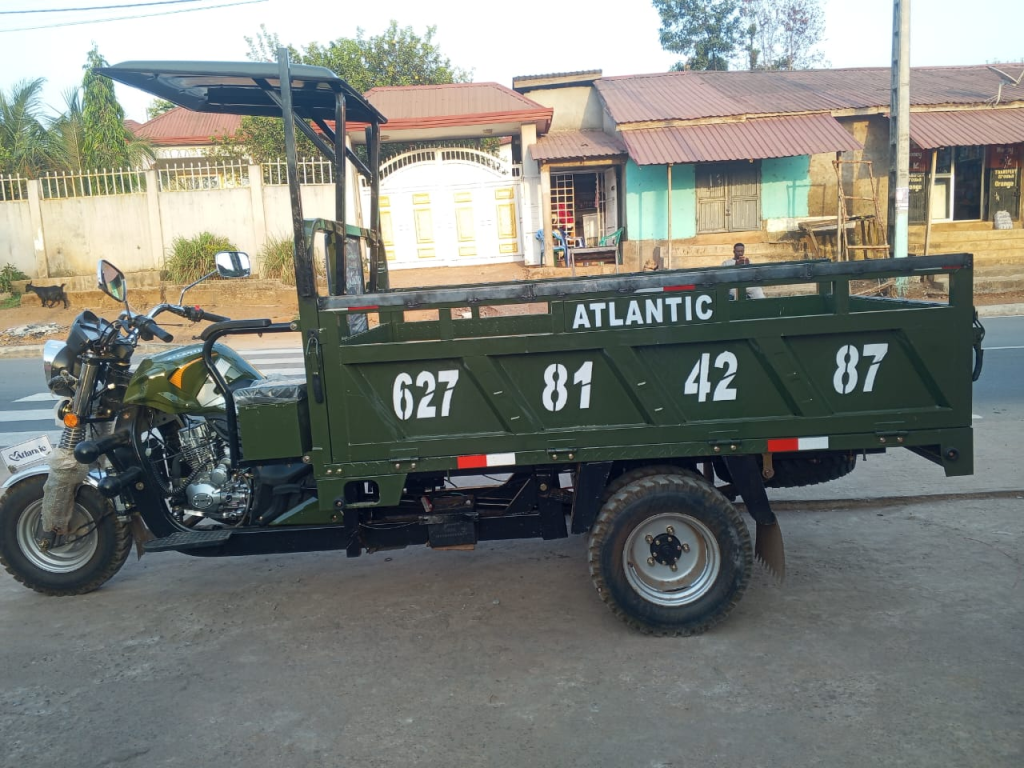
The three-wheeled vehicle, affectionately known in China as the “sanbengzi” (三蹦子), has evolved from a humble local workhorse into a globally sought-after product. For manufacturers, this is not just a trend—it’s a fundamental shift in how the world views utility, cost-efficiency, and adaptability in transportation. From the farmlands of California to the bustling streets of Turkey and the mountain roads of Africa, Chinese-made tricycles are carving out a significant niche.
What Exactly Is a “Sanbengzi”?
The term “sanbengzi” typically refers to a low-speed, three-wheeled vehicle powered by either an electric motor or a small gasoline engine. While the name has a playful ring to it, these vehicles are serious machines. They are commonly categorized as motor tricycles or cargo tricycles and are designed for a variety of practical applications, from hauling freight to transporting passengers.
Why the Global Surge in Demand?
Over the past year, demand for Chinese-made tricycles has skyrocketed. In the United States, a “00后” (post-2000s) entrepreneur reportedly made one million yuan in just three months by selling customized American versions of the vehicle. This success is part of a larger pattern.
1. Unmatched Utility and Versatility
The appeal lies in the vehicle’s design, which offers a unique combination of features for specific tasks:
- For Farmers: American farmers have found them indispensable for hauling feed and equipment across their properties, a task that is often cumbersome with large pickup trucks.
- For Vendors: In places like Mexico, vendors are converting them into mobile food stalls. Meanwhile, manufacturers are developing models with refrigeration units specifically for African street vendors selling cold drinks and ice cream.
- For Families: In many small and medium-sized cities in China, they are a popular choice for families, offering weather protection and the ability to transport children.
2. Economic Advantages and “Green” Credentials
With rising global fuel prices and an increased focus on carbon reduction, the operating costs of electric tricycles are a major selling point. Compared to gasoline-powered vehicles abroad, they are significantly cheaper to run. As one industry insider noted, “Compared with gasoline-powered vehicles abroad, Chinese electric tricycles cost far less to run and cover a much wider range of uses”.
Customization: The Key to a Global Market
A one-size-fits-all approach does not work in the global market. The most successful manufacturers are those who tailor their products to local needs.
- For the USA: A deep-blue variant capable of carrying one tonne and equipped with an auto-loading system is specifically designed for the American market.
- For Turkey: A red model fitted with a Bluetooth speaker, reversing radar, and a cupholder is exclusively shipped to Turkey.
- For Europe: Due to narrow streets in many European cities, there is a growing demand for small, efficient electric vehicles. This has prompted manufacturers to create models that comply with local regulations like EEC certification.
One manufacturer highlights the importance of this localized approach: “At its current peak output of units per day, the company’s orders are scheduled through the next two years”.
The “Made in China” Advantage: Quality and Durability
Modern “sanbengzi” are a far cry from their utilitarian ancestors. Manufacturers emphasize key quality points to attract international buyers:
- Safety: The use of sheet metal bodies provides a sturdier and more durable frame than traditional plastic bodies, offering better protection in the event of a collision.
- Durability: With excellent corrosion resistance achieved through electrophoretic coating technology, the paint jobs are built to last, resisting rust and fading.
- Power: Models built in regions like Sichuan are tested on mountainous terrain, giving them a reputation for strong torque and adaptability.
Conclusion: Seizing the Opportunity
The global appetite for three-wheeled vehicles is not a passing fad. It is a market response to a genuine need for affordable, versatile, and practical transportation. For manufacturers in China, the current landscape presents an enormous opportunity. By focusing on product customization, emphasizing the economic and environmental benefits, and maintaining high standards of quality and durability, the “sanbengzi” is poised to become a ubiquitous sight on streets around the world, proving that three wheels are often better than four.