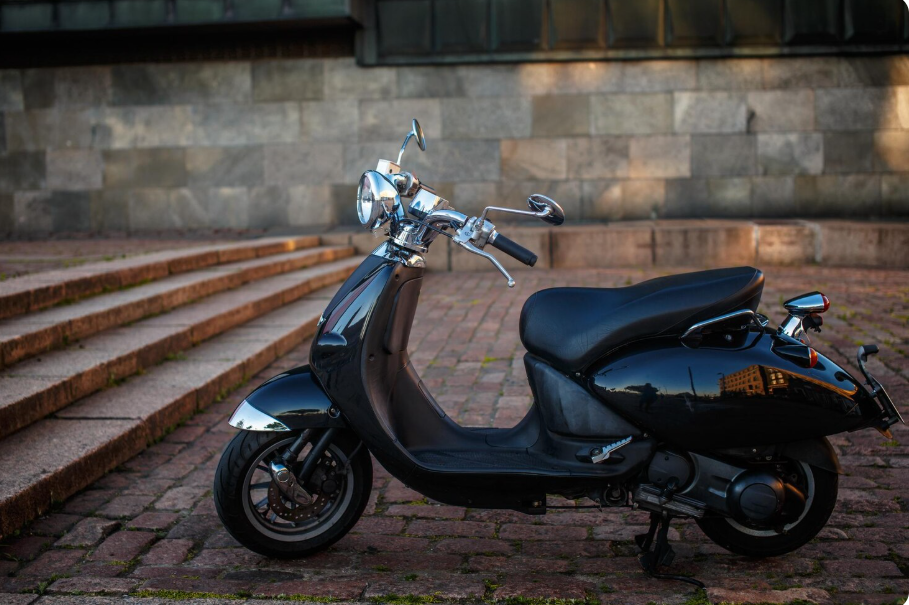
The two-wheeler industry is undergoing a seismic shift. For decades, gasoline-powered motorcycles have been the backbone of transportation in Southeast Asia and India. However, the winds of change are blowing stronger than ever.
2026 marks a pivotal turning point. Governments across the region are rolling out aggressive policies—from bans on petrol bikes to substantial purchase subsidies—while global oil price volatility has accelerated consumer education. The result? A golden era for electric motorcycle (e-motorcycle) adoption is upon us.
But it’s not just about policy. The infrastructure and technological gaps that once hindered e-motorcycle adoption are rapidly closing, setting the stage for a massive “oil-to-electric” transition.
1. Policy Push: The End of the Petrol Era
Environmental concerns are the primary driver. In densely populated cities, two-stroke and four-stroke engines are major contributors to air pollution, placing a heavy burden on public health. Governments are responding with definitive action.
- Vietnam: Starting July 2026, Hanoi will ban petrol motorcycles in the inner ring road, expanding the ban to the third ring by 2030. Meanwhile, Ho Chi Minh City is fast-tracking charging infrastructure and planning to electrify all ride-hailing and delivery fleets by 2028.
- Indonesia: The Ministry of Finance is set to introduce new subsidies for e-motorcycle purchases to accelerate the transition.
- India: Delhi will halt new registrations for petrol two-wheelers starting April 1, 2028, backed by purchase incentives for electric alternatives.
- Thailand: The government has set a clear target for 30% zero-emission vehicle production by 2030, with supporting subsidies for e-motorcycles.
These are not just recommendations; they are binding regulations that are creating immediate, massive demand.
2. High Oil Prices: The Ultimate Consumer Educator
While policy creates the framework, economics drive the behavior. Recent geopolitical tensions have sent fuel prices soaring across Southeast Asia, leading to long queues at petrol stations and significant supply shortages.
This scenario did more than boost short-term sales; it forced millions of commuters to experience the instability of the petrol supply chain for the first time. As a result, consumers are actively seeking alternatives. Data shows that VinFast, a Vietnamese e-motorcycle brand, saw sales surge 473% year-on-year in 2025, with Q1 2026 numbers still climbing at 219%. This momentum proves that the market is ready for change, regardless of oil price fluctuations.
3. Solving the Old Pain Points: Infrastructure and Performance
Historically, the hesitation to switch to electric motorcycles stemmed from two main issues: range anxiety/lack of charging infrastructure, and performance limitations. These challenges are being systematically eliminated.
A. The Charging Infrastructure Gap is Closing
Previously, charging an e-motorcycle could take hours, compared to minutes for refueling a petrol bike. That dynamic is changing rapidly.
- Vietnam’s V-Green (VinFast’s infrastructure arm) now operates over 150,000 charging ports nationwide, with plans to invest heavily in supercharging hubs and battery-swapping stations in 2026.
- India is funding public charging networks under the PM E-DRIVE scheme.
- Indonesia is inviting private investment to build out its EV ecosystem.
This massive capital inflow means that the inconvenience of “range anxiety” is becoming a thing of the past.
B. Performance: E-Motorcycles Now Outperform Petrol Bikes
The technology gap has narrowed significantly. Previously, e-motorcycles suffered from slow speeds, weak batteries, and poor handling in wet conditions. Today, the landscape looks entirely different.
- Range: The VinFast Evo Grand delivers up to 262 km on a single charge, surpassing classic petrol models like the Honda Wave Alpha (approx. 215 km) and the Yamaha Sirius FI (approx. 242 km).
- Durability: Modern e-motorcycles are being built to withstand the high heat, heavy rain, and rough roads of the region, featuring waterproof batteries and superior shock absorption.
- Smart Features: E-motorcycles now offer intelligent connectivity, remote diagnostics, and lower maintenance costs due to their simpler drivetrains.
The user experience is reaching a point where the e-motorcycle is not just an alternative, but an upgrade.
4. The Market Opportunity: A 13-Million-Unit Annual Market
The numbers are staggering. The total motorcycle and three-wheeler fleets in the region are enormous:
- India: 220 million vehicles
- Indonesia: 130 million vehicles
- Vietnam: 60 million vehicles
- Thailand: 20 million vehicles
While annual sales in Southeast Asia currently sit at 17.76 million units, the current e-motorcycle penetration rate is a mere 5%. However, this is changing rapidly. In Vietnam, the penetration rate rose from 8.7% to 22% in just a few years.
Market Projection:
A conservative estimate suggests that with a 30% penetration rate and a 5-year replacement cycle, the annual demand for e-motorcycles in Vietnam, Indonesia, and Thailand alone could reach 12.88 million units. Furthermore, because consumers in these regions demand higher specs (longer range, better suspension), the average selling price (ASP) and profit margins are expected to be significantly higher than those in the domestic Chinese market.
5. Why We Are Bullish on This Sector
We are actively looking for companies that are not just exporting products but are deeply embedded in the Southeast Asian ecosystem.
The winners in this space will possess:
- Localized Products: Bikes built specifically for local terrain and climate.
- Manufacturing Capacity: Local production to avoid tariffs and control costs.
- Infrastructure Partnerships: Collaborations with local energy firms to build charging networks.
- Brand Presence: Strong dealer networks and after-sales service.
Conclusion: The Tipping Point Has Arrived
To summarize, the electric motorcycle transition in Southeast Asia and India is no longer a distant vision—it is happening right now. Three powerful forces are converging simultaneously:
First, policy mandates are creating an irreversible regulatory tailwind. From Hanoi’s inner-ring ban to Delhi’s registration halt, governments are not just encouraging but forcing the shift away from petrol two-wheelers. These are firm deadlines, not vague aspirations.
Second, the consumer mindset has shifted. The oil price shocks of 2026 served as a wake-up call, exposing the fragility of the fossil fuel supply chain and pushing millions of riders to seriously consider electric alternatives for the first time. This behavioral change will outlast any temporary price fluctuation.
Third, the practical barriers that once held e-motorcycles back—charging inconvenience and performance shortfalls—are rapidly dissolving. With ultra-fast charging networks rolling out and flagship models now matching or exceeding petrol bikes in range, speed, and durability, the “compromise” of going electric is quickly becoming a thing of the past.
Taken together, these factors point to a massive, sustained growth trajectory. The current 5% penetration rate in Southeast Asia is merely the starting point. As infrastructure matures and product offerings continue to improve, we expect the region’s e-motorcycle market to scale from hundreds of thousands of units annually to over 10 million in the coming years.
For businesses, investors, and industry players, the message is clear: the window of opportunity is open, and it is wide. Those who move quickly to establish local production, build brand equity, and secure infrastructure partnerships will be best positioned to capture this generational shift in urban mobility.
The future of two-wheeled transport in Southeast Asia is electric. The only question that remains is: will you be part of it?