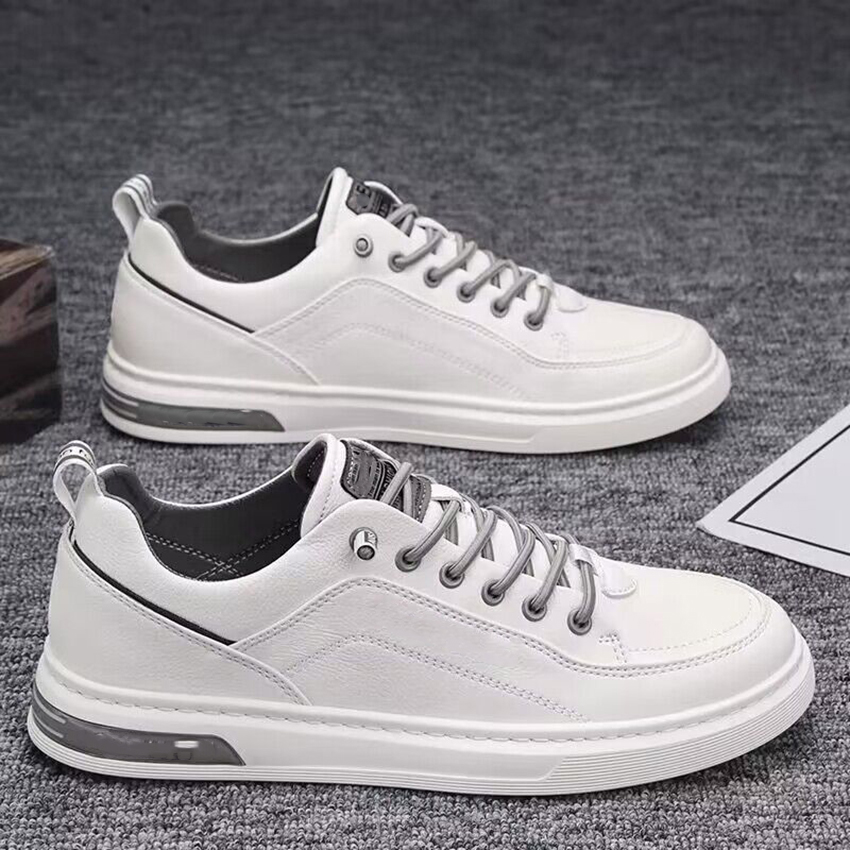
Understanding Your Foot Type and Activity
The foundation of any great shoe purchase starts with understanding your unique biomechanics. Whether you have flat feet, high arches, or a neutral gait, selecting the right shoe can prevent injuries and enhance performance. For instance, runners with high arches typically require shoes with extra cushioning to absorb shock, while those with flat feet need motion-control features to prevent overpronation. Additionally, matching the shoe to your specific activity is crucial. Running shoes are engineered for forward motion and impact absorption, while cross-training shoes provide the lateral stability needed for weightlifting or HIIT workouts. If you are a basketball player, you will need high-top designs for ankle support, whereas tennis players require reinforced toe caps to withstand multidirectional sliding.
Key Features to Look For
When browsing for men’s sport shoes, prioritize three core elements: cushioning, breathability, and support. Look for advanced foam midsoles (such as EVA, polyurethane, or bio-based materials) that offer responsive energy return and shock absorption. Breathable mesh uppers, especially those utilizing 3D-knit technology, are essential for keeping your feet cool and dry during intense sessions. Furthermore, ensure the shoe has a snug fit with adequate arch support to maintain proper foot alignment and reduce fatigue. Don’t forget the outsole: a herringbone pattern provides excellent traction on courts, while deep lugs are necessary for outdoor hiking or trail running.
Pro Tips for the Perfect Fit
Always try on sport shoes at the end of the day when your feet naturally swell to their largest size. Leave about a thumb’s width of space between your longest toe and the front of the shoe to prevent black toenails during long runs. Walk or jog around the store to test the flexibility and ensure there is no uncomfortable rubbing or slipping at the heel. Remember that a rigid heel counter is vital for stability, while a spacious toe box allows your toes to splay naturally upon impact. Also, consider the socks you plan to wear; thicker athletic socks require a slightly roomier fit.
Navigating Sizing and Width Variations
Sizing is not universal across brands. Always refer to the specific brand’s sizing chart, as a US 10 in one brand might feel like a 9.5 in another. Many modern brands now offer width variations (such as 2E for wide feet), which is a game-changer for men with broader forefoot anatomy. Pay attention to customer reviews regarding sizing, as real-world feedback often reveals whether a model runs small, large, or true to size.