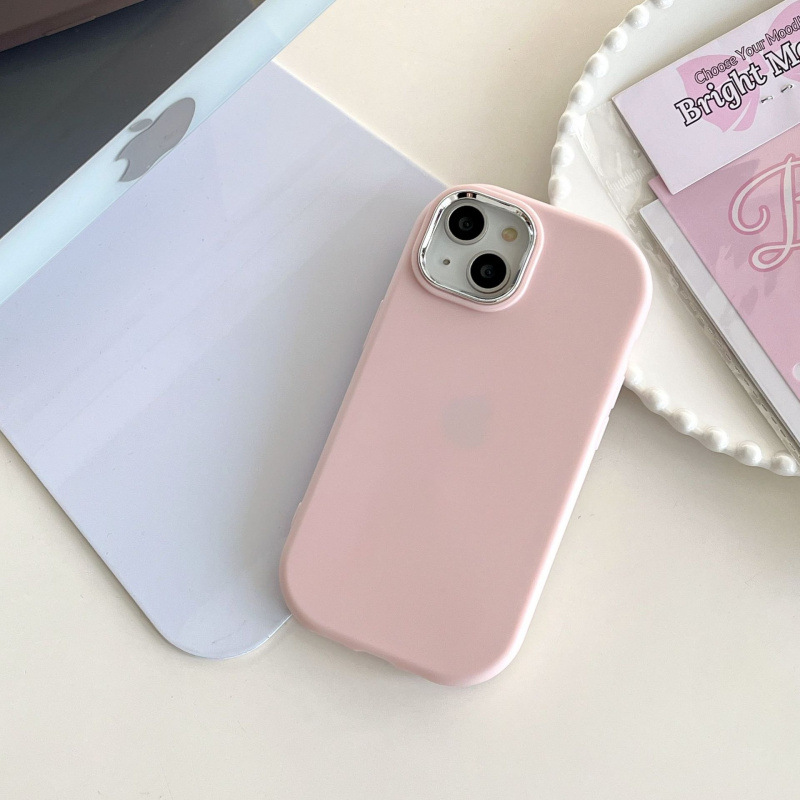
One of the most important decisions when developing a phone case product line is selecting the right material. Each material offers distinct advantages and characteristics that affect everything from production costs to customer satisfaction. In this comprehensive guide, Longwin breaks down the most popular phone case materials to help you make informed decisions for your brand.
TPU: The Versatile Workhorse
Thermoplastic Polyurethane, commonly known as TPU, is the most widely used material in the phone case industry—and for good reason.
Characteristics: TPU offers an excellent balance of flexibility and durability. It provides good shock absorption while maintaining enough rigidity to hold its shape. Premium grades offer crystal clarity, while standard grades provide consistent color throughout.
Advantages:
- Excellent impact resistance and shock absorption
- Good grip that prevents slipping
- Easy to install and remove
- Compatible with most printing techniques
- Cost-effective for mass production
Disadvantages:
- Can yellow over time, especially transparent varieties
- May stretch with repeated removal
Best Applications: Clear cases, colorful solid cases, basic protective cases, and designs requiring flexibility.
PC: The Premium Hard Case
Polycarbonate is a rigid plastic known for its strength and clarity. It’s often used alone for hard cases or combined with TPU for two-piece hybrid designs.
Characteristics: PC is significantly harder than TPU, providing excellent scratch resistance and structural rigidity. High-quality PC maintains optical clarity similar to glass.
Advantages:
- Superior scratch and abrasion resistance
- Maintains clarity without yellowing
- Provides excellent print surface for detailed graphics
- Offers slim profile while maintaining protection
- Heat resistant and durable
Disadvantages:
- Less shock absorbent than TPU
- Can be brittle under extreme stress
- More difficult to install and remove
Best Applications: Ultra-thin cases, clear hard cases, cases with detailed printed graphics, and hybrid designs combined with TPU bumpers.
Liquid Silicone: The Premium Feel
Liquid silicone has gained immense popularity in recent years, particularly for its luxurious feel and excellent protection properties.
Characteristics: Liquid silicone cases are soft, smooth to the touch, and slightly tacky, providing exceptional grip. They offer outstanding shock absorption and drop protection.
Advantages:
- Exceptionally soft and pleasant to touch
- Excellent grip that won’t slip from hands
- Superior shock absorption
- Available in vibrant, saturated colors
- Dust and lint resistant (quality grades)
Disadvantages:
- Higher production costs
- Can attract lint (lower quality grades)
- Limited printing options compared to PC
- Heavier than TPU alternatives
Best Applications: Premium product lines, cases targeting female consumers, designs focused on color rather than graphics, and products emphasizing luxury feel.
Hybrid Designs: Best of Both Worlds
Many premium phone cases combine multiple materials to leverage the advantages of each. The most common hybrid design combines a PC back with TPU bumper.
Characteristics: These cases feature a rigid PC backplate for scratch resistance and print quality, surrounded by a flexible TPU bumper for shock absorption and easy installation.
Advantages:
- Superior protection combining rigidity and flexibility
- Excellent print surface on PC back
- Easy installation due to flexible bumper
- Premium appearance and feel
- Extended durability
Disadvantages:
- Higher production costs
- More complex manufacturing process
- Potential separation between materials over time
Best Applications: Premium product lines, designs requiring detailed graphics, cases marketed for superior protection.
Eco-Friendly Options: The Future of Manufacturing
As environmental awareness grows, many brands are seeking sustainable material options. Longwin offers several eco-friendly alternatives.
Bio-Based TPU: Made partially from renewable resources like plant starches, bio-based TPU offers similar performance to conventional TPU with reduced environmental impact.
Recycled Materials: Post-industrial recycled plastics can be incorporated into phone case production, reducing waste and supporting circular economy principles.
Biodegradable Options: PLA and other biodegradable materials are available for applications where composting or degradation is possible.
Advantages:
- Appeals to environmentally conscious consumers
- Supports brand sustainability messaging
- Reduces environmental footprint
- May qualify for eco-certifications
Disadvantages:
- Higher material costs
- Performance characteristics may differ
- Limited availability for some options
Making the Right Choice
When selecting materials for your phone case line, consider these factors:
Target Market: Who are your customers? What do they value most—protection, style, eco-friendliness, or price?
Price Point: Higher-end materials like liquid silicone and hybrid designs command premium prices but also have higher production costs.
Design Complexity: Detailed graphics and photo prints perform best on PC surfaces, while solid colors work well with TPU and silicone.
Brand Positioning: Your material choice should align with your brand image—whether that’s eco-conscious, premium, budget-friendly, or style-focused.
Longwin’s Material Expertise
With years of experience across all material types, Longwin can guide you through the selection process. We offer samples of all materials for testing, provide technical specifications, and can recommend the optimal material for your specific product requirements.
Contact our team today to discuss your project and receive expert guidance on material selection for your phone case line.