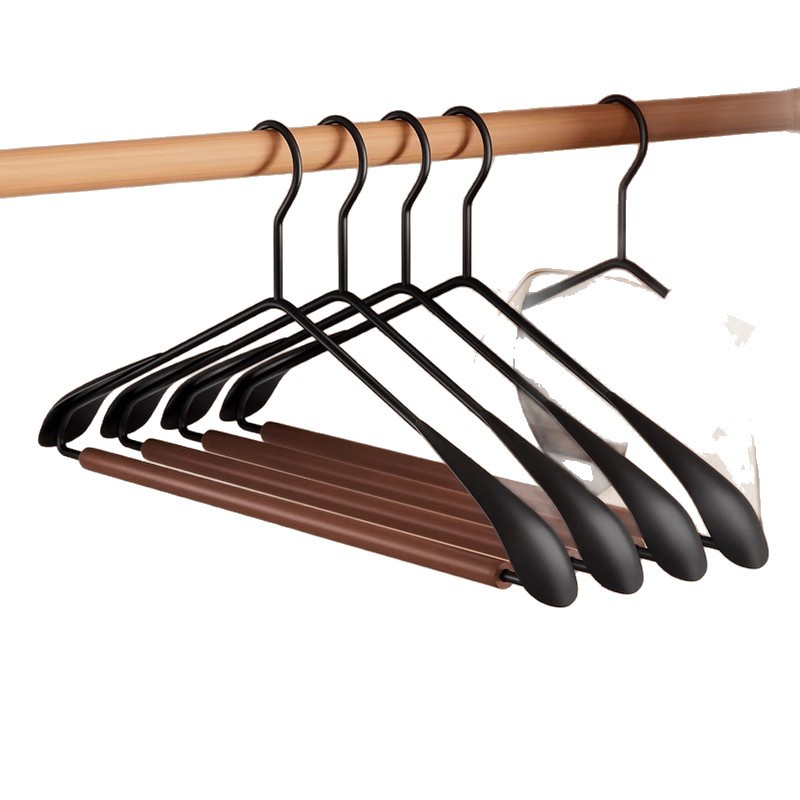
Most people have a closet full of hangers that they have accumulated over the years. A few wire ones from the dry cleaner. A couple of wooden ones from a hotel. A plastic one from a store. A velvet one they bought on a whim. And they use them interchangeably, grabbing whatever is closest when they need to hang something up. This is a mistake. Not all hangers are the same. Not all garments are the same. And using the wrong hanger can damage your clothes, waste space, and make your closet a source of frustration rather than joy.
The truth is that every garment has a perfect hanger. A hanger that is designed for its specific shape, weight, and material. A hanger that will keep it looking its best for years to come. A hanger that will make your closet more organized and more pleasant to use. The key is knowing which hanger is right for which garment. And that is what we are going to explore.
Let’s start with the most common garment in most closets: the t-shirt. T-shirts are casual, lightweight, and relatively unstructured. They do not need a lot of support. A simple plastic hanger will do. But not all plastic hangers are created equal. Look for one that is smooth, with no rough edges that could snag the fabric. Look for one that is the right width for the shoulders of the shirt. Too narrow, and the shirt will droop. Too wide, and the shirt will stretch. A good plastic hanger is inexpensive, durable, and perfectly adequate for t-shirts and other casual tops.
Now let’s talk about dress shirts. These are more structured than t-shirts. They have collars. They have buttons. They have a defined shoulder line. They deserve a hanger that respects that structure. A wooden hanger with a wide shoulder is ideal. It will support the shirt’s shape and prevent the shoulders from creasing. A hanger with a bar across the bottom is also useful, as it allows you to hang the shirt by its collar if you prefer, or to drape a pair of pants over the bar. Avoid wire hangers for dress shirts. They are too thin, and they will leave marks in the shoulders.
Suits and blazers are the most demanding garments in terms of hanger requirements. They are heavy. They are structured. They are expensive. They need a hanger that can support their weight and maintain their shape. A wide wooden hanger is the gold standard. It should be thick enough to fill the shoulders of the jacket, preventing them from collapsing. It should be sturdy enough to hold the weight without bending. And it should have a smooth finish that will not snag the lining. Some wooden hangers also have a trouser bar, which allows you to hang the pants of a suit with the jacket, keeping the outfit together and saving space.
Pants are a category of their own. They can be hung in several ways. The most common is to fold them over the bar of a hanger. This works well for casual pants and jeans. But for dress pants, which are more prone to creasing, a clip hanger is a better choice. Clip hangers have two adjustable clips that grip the waistband of the pants, allowing them to hang straight down. This prevents creases and keeps the pants looking sharp. When choosing a clip hanger, look for one with rubberized clips that will not leave marks on the fabric.
Skirts are similar to pants in that they can be hung in different ways. A-line skirts and full skirts can be hung by the waistband using a clip hanger. Pencil skirts and other narrow styles can be hung by the hem using a hanger with clips at the bottom. The key is to avoid stretching the waistband or leaving clip marks on delicate fabrics. For delicate skirts, consider a padded hanger with clips, which provides a softer grip.
Dresses are perhaps the most varied category. A casual sundress can hang on almost anything. A formal gown, on the other hand, needs special care. Delicate fabrics like silk, satin, and chiffon can be damaged by rough surfaces. They can slip off smooth hangers. They can stretch if hung by thin straps. For these garments, a padded hanger is ideal. Padded hangers are covered in fabric, which provides a gentle, non-slip surface. They are wide enough to support the weight of the dress without stretching the straps. And they are pretty, which makes them a pleasure to use.
Coats and heavy jackets are the heavyweight champions of the closet. They need a hanger that is strong, sturdy, and wide. A heavy-duty wooden hanger or a thick plastic hanger is the best choice. The hanger should be wide enough to fill the shoulders of the coat, preventing them from sagging. It should have a strong hook that can support the weight without bending. And it should have a smooth finish that will not snag the fabric. Avoid wire hangers for coats. They will buckle under the weight and leave deep creases in the shoulders.
Delicates like lingerie, camisoles, and silk blouses require a gentle touch. A padded hanger or a velvet hanger is ideal. Velvet hangers are covered in a soft, non-slip material that grips the fabric without damaging it. They are slim, which saves space. And they come in a variety of colors, which makes them a stylish addition to any closet. Avoid clip hangers for delicates, as the clips can leave marks. Avoid wire hangers, as they can snag delicate fabrics.
Accessories like scarves, belts, and ties also need hangers. Scarves can be hung on a hanger with multiple bars or on a specialized scarf hanger with loops. Belts can be hung on a belt hanger with multiple hooks. Ties can be hung on a tie rack or on a hanger with a tie bar. These specialized hangers keep accessories organized and easy to find, which makes getting dressed in the morning a much more pleasant experience.
Beyond the specific garment types, there are a few general principles to keep in mind when choosing hangers. First, consider the weight of the garment. Heavier garments need stronger hangers. Second, consider the fabric. Delicate fabrics need gentler hangers. Third, consider the space. Slim hangers save space, which is always a plus. Fourth, consider the aesthetics. Matching hangers make a closet look organized and intentional. Fifth, consider sustainability. Hangers made from recycled or renewable materials are better for the planet.
The bottom line is that hangers are not a one-size-fits-all solution. They are tools, and like any tools, they work best when they are matched to the task at hand. By taking the time to choose the right hanger for each garment in your closet, you can protect your clothes, save space, and create a wardrobe that is a pleasure to use. It is a small investment of time and money that pays dividends every single day. And once you experience the difference, you will never go back to a closet full of mismatched wire hangers again.