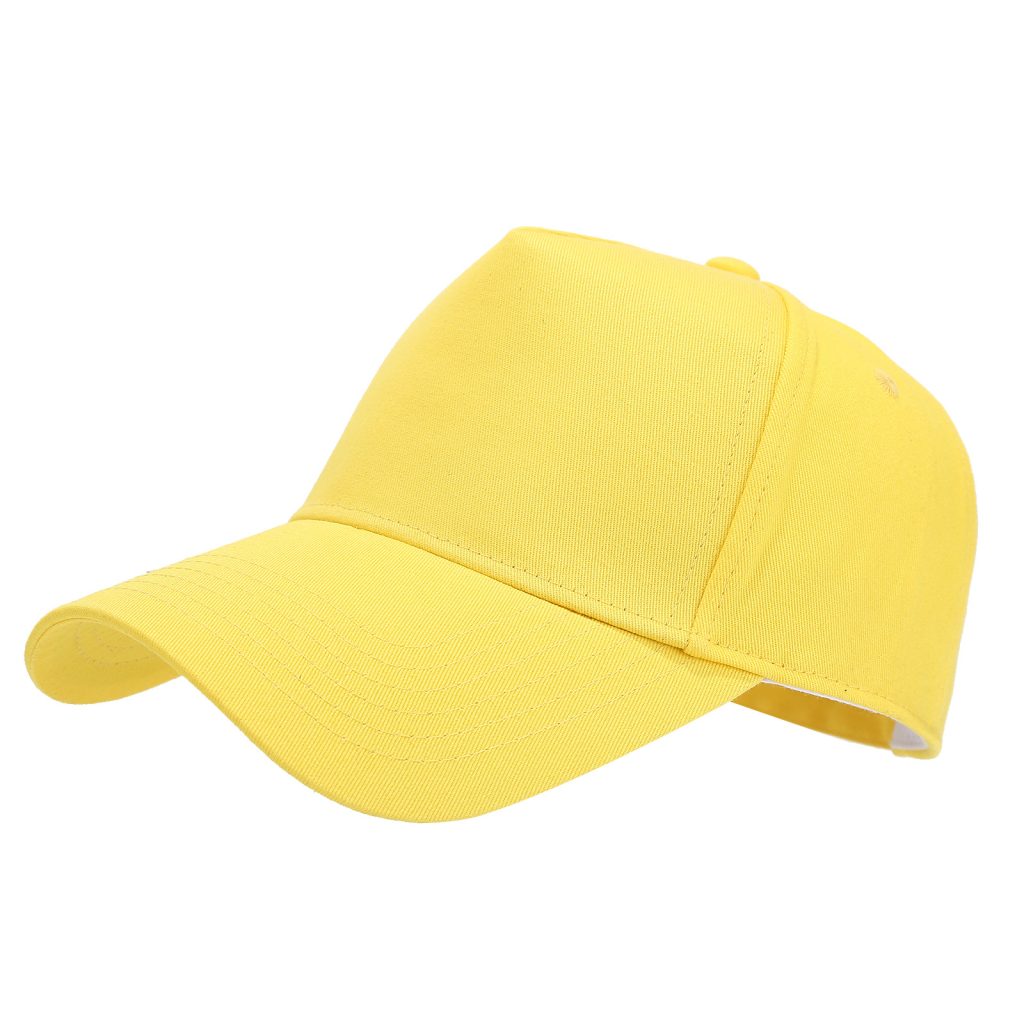
Most people own a cap. Usually several. A faded one from a 5K they barely trained for. A team cap bought during a championship run. A cheap one from a gas station on a road trip. A technical one they spent too much on and wear too rarely. And they grab whichever is closest on the way out the door, jamming it onto a sweaty head without a second thought. This is a mistake. Not all caps are the same. Not all workouts are the same. And wearing the wrong cap can trap heat, chafe your forehead, block your vision, and quietly ruin the one piece of gear that touches your skin every single run.
The truth is that every activity has a perfect cap. A cap engineered for its specific climate, intensity, and duration. A cap that manages sweat instead of soaking in it. A cap that stays put when you sprint and disappears from your awareness when you don’t. The key is knowing which cap belongs to which effort. And that is what we are going to explore.
Let’s start with the most common workout in most people’s lives: the easy run. Easy runs are slow, conversational, and mercifully unglamorous. They do not demand much from a cap. A simple cotton or cotton-blend cap will do. But not all cotton caps are created equal. Look for one with a soft, broken-in brim that curves without cracking. Look for one with a sweatband that actually absorbs rather than smears. Too stiff, and the brim fights your field of vision. Too thin, and the cap turns into a wet rag by mile two. A good everyday cap is inexpensive, machine-washable, and perfectly adequate for jogs, dog walks, and errands you pretend are workouts.
Now let’s talk about tempo runs and intervals. These are more demanding than easy runs. They produce more heat. They produce more sweat. They demand a cap that respects that intensity. A lightweight, perforated cap with moisture-wicking fabric is ideal. It will release heat instead of trapping it and prevent sweat from dripping into your eyes. A cap with a dark underbrim is also useful, as it reduces glare without blinding you. Avoid heavy cotton caps for hard efforts. They are too hot, and they will leave you overheating before the second interval.
Racing caps are the most demanding garments in terms of performance requirements. They are light. They are aerodynamic. They are expensive. They need a cap that can manage maximum effort without weighing you down. A featherweight ripstop or mesh cap is the gold standard. It should be thin enough to vent heat but structured enough to hold its shape. It should be secure enough to stay put in wind and rain. And it should have a smooth, flat brim that will not catch air or flop. Some racing caps also have reflective details, which keep you visible in early-morning or late-evening events.
Trail running caps are a category of their own. They can be worn in several conditions. The most common is a breathable cap with a slightly longer brim. This works well for sun exposure and light rain. But for technical trails with low branches, a cap with a shorter, softer brim is a better choice. Short brims do not snag on vegetation and allow you to see the ground beneath your feet. This prevents tripping and keeps your line of sight clear. When choosing a trail cap, look for one with a secure adjustment system that will not loosen on descents.
Winter running caps are similar to trail caps in that they solve different problems. Fleece-lined caps and windproof caps can be worn in cold, gusty conditions. Earflap caps and skull caps can be worn in deep winter. The key is to avoid overheating your head or leaving your ears exposed to frostbite. For very cold conditions, consider a cap with a convertible ear cover, which provides warmth without commitment.
Cycling caps are perhaps the most misunderstood category. A casual rider can wear almost anything. A serious cyclist, on the other hand, needs special care. High speeds generate wind chill. Helmet straps press caps against the skull. And sweat drips downward at exactly the wrong moment. For these riders, a cycling cap with a short brim is ideal. Cycling caps are made of thin, quick-drying fabric that fits under a helmet. They are designed to wick sweat away from the brow. And they are light enough to be worn under a helmet without pressure points.
Tennis and golf caps are the traditionalists of the sports world. They need a cap that is clean, structured, and wide. A classic six-panel cap with a curved brim is the best choice. The cap should be wide enough to shade the eyes without blocking the swing. It should have a strong shape that holds up to repeated adjustments. And it should have a moisture-wicking sweatband that will not leave marks. Avoid flimsy fashion caps for sport. They will wilt under the sun and offer no real protection.
Yoga and gym caps require a gentle touch. A soft, unstructured cap or a headband-cap hybrid is ideal. These caps are made of stretchy, breathable fabric that moves with the body without shifting. They are low-profile, which keeps them out of the way during floor work. And they come in a variety of colors, which makes them a stylish addition to any gym bag. Avoid stiff-brimmed caps for yoga, as the brim can dig into the mat. Avoid heavy caps for gym sessions, as they trap heat during intense circuits.
Accessories like sweatbands, visors, and neck flaps also matter. Sweatbands can be worn under a cap for extra absorption. Visors can be worn when you want sun protection without a full crown. Neck flaps can be attached to a cap for extra coverage in extreme sun. These add-ons keep you comfortable and protected, which makes every outdoor session more enjoyable.
Beyond the specific cap types, there are a few general principles to keep in mind when choosing a sports cap. First, consider the climate. Hot weather needs breathable fabric. Cold weather needs insulation. Second, consider the duration. Short efforts need less absorption. Long efforts need more. Third, consider the fit. A cap that is too tight causes headaches. A cap that is too loose flies off. Fourth, consider the aesthetics. A cap that looks good makes you want to wear it. Fifth, consider sustainability. Caps made from recycled fabrics are better for the planet.
The bottom line is that sports caps are not a one-size-fits-all solution. They are tools, and like any tools, they work best when they are matched to the effort at hand. By taking the time to choose the right cap for each activity, you can stay cooler, drier, and more focused. It is a small investment of time and money that pays dividends every single mile. And once you experience the difference, you will never go back to a drawer full of random caps again.