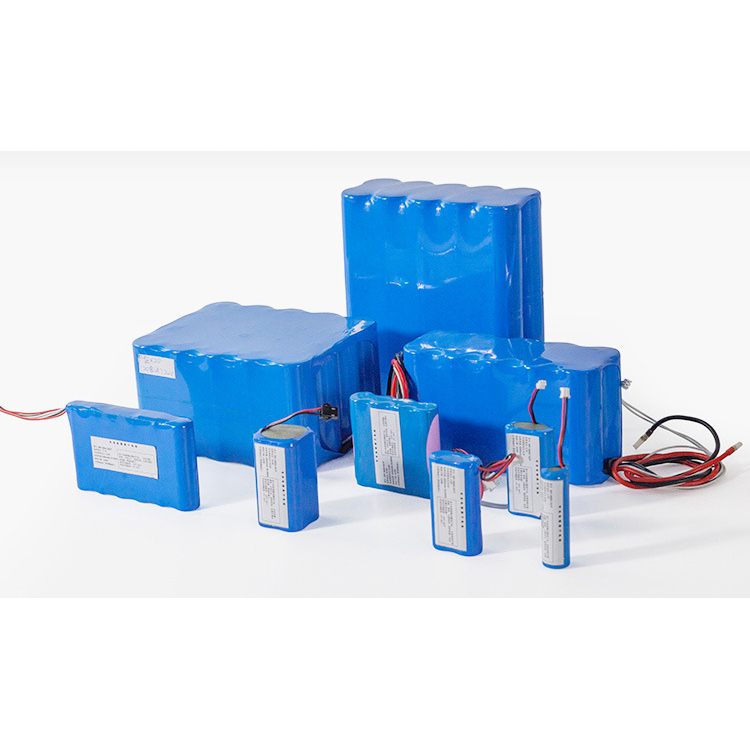
There is a lithium-ion battery in your pocket, one in your bag, one in your car, and probably several more scattered around your home. They come from different brands, hold different capacities, and have survived different numbers of years. You plug in whatever charger is closest, run them down to zero, leave them plugged in overnight, leave them in a freezing car in winter, and leave them on a sunbaked windowsill in summer. You figure a battery is a battery, and as long as it powers on, it is fine. This is a mistake. Not all lithium-ion batteries are the same. Not all devices are the same. And treating them wrong can accelerate their decline, shrink their runtime, and make them fail at the exact moment you need them most.
The truth is that every lithium-ion battery has a way it prefers to be treated. A way that matches its specific chemistry, discharge rate, and temperature window. A way that keeps it healthy for years to come. A way that makes your devices more reliable, safer, and longer-lasting. The key is knowing which approach belongs to which battery. And that is what we are going to explore.
Let’s start with the most common device in most people’s lives: the phone. Phones use high-energy-density lithium-ion batteries built for thinness and runtime. They do not need high discharge rates, but they care deeply about their charge range. The ideal habit is to keep them between twenty and eighty percent. Constantly charging to one hundred percent and holding it there accelerates aging in the cathode. Running them to shutdown and then recharging puts unnecessary stress on the anode. Good habits are simple: top up when you can, don’t starve it, and don’t stuff it.
Now let’s talk about laptops. Laptop batteries are more complicated than phone batteries. They are often plugged in while running heavy loads, which means the battery endures charging current and discharge heat at the same time. They need a smarter power management strategy. An ideal laptop battery supports a charge threshold, such as stopping at eighty percent. During long stretches plugged in, this feature can significantly extend battery life. Also avoid gaming at full load while charging in a hot room, because heat is the number one enemy of lithium-ion cells. For laptop batteries, temperature is more lethal than charge level.
E-bike batteries are the most demanding category. They are large, expensive, costly to replace, and directly tied to range and safety. They need a system that manages temperature, voltage, and current. A good e-bike battery should avoid sitting at full charge for long periods, and avoid being stored empty. Charging to eighty or ninety percent is usually enough for daily commuting, with a full charge reserved for long rides. Fast charging is convenient but should not become a daily habit, because sustained high-current charging increases the risk of lithium plating. In cold weather, let the battery warm up before fast charging. These details determine how much health your battery has left after three years.
Power banks are a category of their own. They are essentially a battery sealed in a portable shell. They fear two things above all: over-discharge and heat. When not in use for long periods, they should sit at around half charge, not full and not empty. Don’t forget them in a hot car in summer, and don’t leave them next to a radiator. Choose brands with overcharge and over-discharge protection, not mystery cheap units. A good power bank can last you years. A bad one can swell up one day without warning.
Wearables and small electronics are different again. Their batteries are tiny, have limited cycle life, and are often sealed inside cases you cannot replace. What they need most is protection from deep discharge. Watches, earbuds, and fitness bands do best when you drop them back into their case or cradle regularly, rather than running them to shutdown every time. For these cells, shallow cycling is the key to longevity. Don’t expect them to last a decade, but with the right habits they will easily outlive the product update cycle.
Power tools and drones use high-discharge batteries. They need to deliver large currents instantly, which places extreme demands on cell consistency and heat dissipation. These batteries should not be stored at full charge for long periods, and should not be run to complete empty. Let them cool before recharging, and store them at forty to sixty percent. If one cell in a pack falls behind, the whole pack suffers. Regular balance charging is what keeps them in shape.
Energy storage systems and portable power stations are high-capacity, long-cycle applications. They care about cycle life and safety, not instantaneous burst power. They do best when kept in the middle charge range for long periods, away from extreme temperatures, and away from frequent deep cycles. If left unused, top them up every few months to prevent self-discharge from causing over-discharge. For these batteries, stability matters more than anything.
Beyond the specific device types, there are a few general principles worth remembering. First, avoid heat. Heat damages batteries more than high charge does. Second, avoid overcharge and over-discharge. Keep them in the middle range and they will last longer. Third, avoid storing at full charge. If a device is going to sit idle, leave it at half. Fourth, use proper chargers. The money saved on a cheap charger is nowhere near enough to replace a battery. Fifth, understand the trade-offs. Fast charging is convenient, slow charging is gentle. Thin and light looks good, heat dissipation suffers. There is no perfect battery, only a more suitable way to use it.
The bottom line is that a lithium-ion battery is not a block of energy you can treat however you like. It is a precision electrochemical system with its own temperament and boundaries. How you treat it is how it will treat you back. Take a little time to understand its habits, and you can get two more years out of a phone, tens of thousands more miles out of an e-bike, and devices that don’t let you down when it matters. It is an investment that costs almost nothing and quietly pays you back every single day. And once you get used to doing it right, you will never go back to plugging in whatever and walking away.