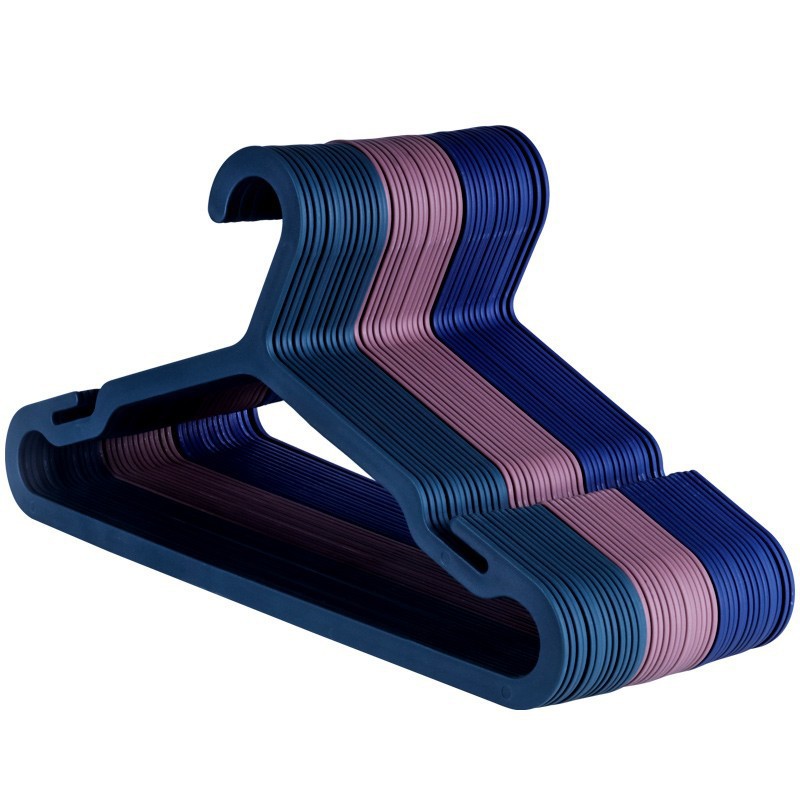
The hanger is such a ubiquitous object that it is easy to assume it has always been with us. But like all inventions, it has a history. It has evolved. It has been shaped by technology, by culture, and by the changing needs of the people who use it. To understand the hanger is to understand a surprising amount about the history of fashion, retail, and domestic life. So let’s take a journey through time and explore how this humble object came to be.
The story of the hanger begins, as so many stories do, with a problem. In the nineteenth century, as cities grew and clothing became more elaborate, people needed a way to store their garments without folding them. Folding caused creases. Creases were unacceptable. So people began hanging their clothes on hooks, on pegs, on the backs of doors. But hooks and pegs left marks. They distorted the shoulders of coats and dresses. They were not ideal.
The first patent for a hanger-like device was filed in the mid-nineteenth century. It was a simple wire hook with a wooden bar. It was not elegant, but it worked. It kept garments off the floor. It prevented creases. It was a small improvement, but it was an improvement nonetheless. Over the following decades, inventors continued to tinker. They added shoulders. They added clips. They added crossbars. Each innovation was a response to a specific need—the need to hang pants, the need to hang skirts, the need to hang delicates without damaging them.
The early twentieth century saw a major shift. As department stores grew in popularity, retailers needed a way to display their merchandise attractively. The hanger became a display tool. It was no longer just a way to store clothes; it was a way to sell them. Brands began to experiment with different materials. Wood was the first. It was sturdy, attractive, and could be carved into elegant shapes. Metal came next. It was thin, strong, and could be produced in large quantities. Then came plastic. It was cheap, versatile, and could be molded into any color or shape imaginable.
The post-war boom of the 1950s and 1960s brought mass production to the hanger industry. Factories churned out millions of wire hangers, which were distributed to dry cleaners and retailers around the world. The wire hanger became a symbol of convenience, of modernity, of the American dream. It was cheap. It was everywhere. It was disposable. And it was, in many ways, a reflection of the era’s throwaway culture.
But the pendulum swung. In the 1970s and 1980s, as environmental awareness grew, people began to question the wisdom of disposable hangers. Wire hangers were ugly. They bent. They rusted. They ended up in landfills by the billions. Consumers wanted something better. They wanted hangers that were durable, attractive, and kind to their clothes. The market responded. Velvet hangers were introduced. They were slim, non-slip, and elegant. Wooden hangers made a comeback. They were warm, luxurious, and built to last. Plastic hangers became more sophisticated, with features like swivel hooks, notches for straps, and clips for skirts.
The twenty-first century has brought new challenges and new opportunities. Sustainability is now a central concern. Consumers want to know where their products come from and what they are made of. They want to know that the hanger holding their favorite dress is not contributing to the destruction of the planet. This has led to a surge in eco-friendly materials. Recycled plastic. Bamboo. Biodegradable composites. FSC-certified wood. These materials are not just better for the environment; they are also better for the brand image of the companies that use them.
Technology has also transformed the hanger. RFID-enabled hangers allow retailers to track inventory in real time. QR codes printed on hangers link customers to product information, care instructions, and styling suggestions. Smart hangers with weight sensors can detect when a garment has been removed from a display, alerting staff to restock. The hanger is no longer just a passive object. It is becoming an active participant in the retail ecosystem.
And yet, for all this change, the fundamental purpose of the hanger remains the same. It is a tool for organizing, protecting, and displaying clothing. It is a small thing that makes a big difference. It is a testament to human ingenuity—a simple solution to a universal problem.
The history of the hanger is, in a way, the history of us. It reflects our changing tastes, our changing values, our changing relationship with the things we own. It reminds us that even the most ordinary objects have stories to tell. And it invites us to think about what the hanger will become next. Will it be made from mushroom mycelium? Will it be embedded with sensors that monitor the condition of our clothes? Will it be designed to fold flat for shipping and then snap into shape for use? The possibilities are endless.
What is certain is that the hanger will continue to evolve. It will continue to adapt. It will continue to serve us in ways we have not yet imagined. And it will continue to be one of the most overlooked, underappreciated, and essential objects in our lives.