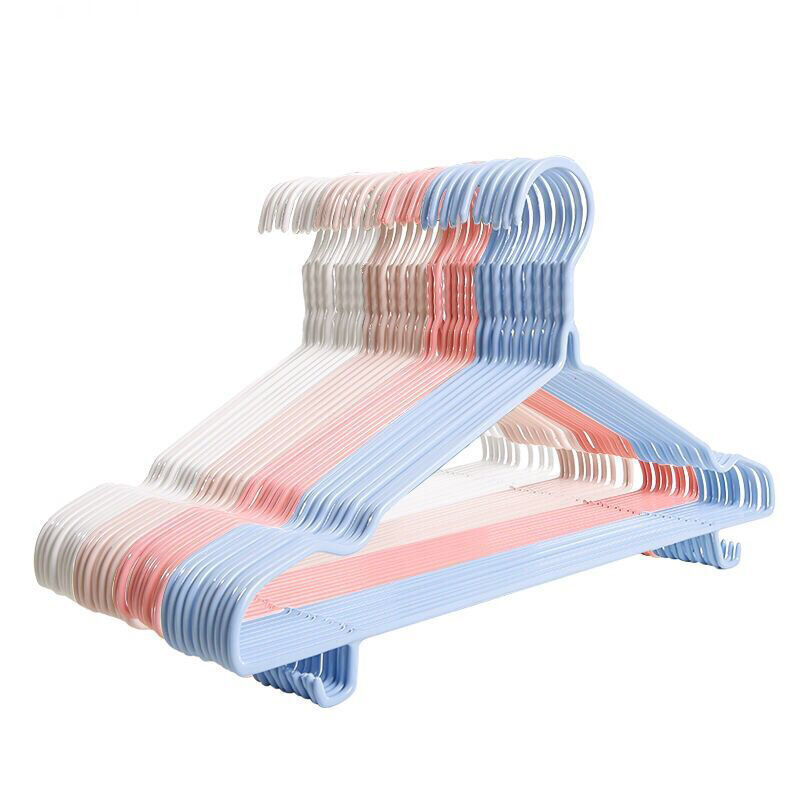
When brands think about marketing, they think about social media campaigns, influencer partnerships, and glossy magazine spreads. They obsess over packaging, tags, and tissue paper. But there is one touchpoint that almost every brand overlooks, and it happens to be the one object that customers interact with more intimately than almost anything else: the hanger.
Think about it. A customer walks into a store. They browse through racks. They touch garments. They pull them off the rack. They hold them up to their body. They try them on. And at every step of that journey, the hanger is there. It is the silent companion to the shopping experience. It is the first thing a customer’s hand makes contact with when they reach for a garment. It is the last thing they see before they decide to buy. And yet, most brands treat hangers as an afterthought—a commodity to be bought in bulk at the lowest possible price.
This is a mistake. A big one.
A hanger is not just a tool. It is a canvas. It is a statement. It is a piece of your brand that lives in your customer’s closet long after the purchase is made. Every time they open their wardrobe, they see your hanger. Every time they choose an outfit, they touch your hanger. Every time a guest visits their home and peeks into their closet, your hanger is there, quietly representing your brand. It is, in the truest sense, a walking billboard—except it doesn’t walk. It hangs. And it hangs around for years.
Consider the psychology of retail. When a customer picks up a garment on a flimsy wire hanger, what do they feel? The wire bends. The shoulders of the garment droop. The presentation is limp and lifeless. The customer’s subconscious mind registers a message: this is cheap. This is disposable. This is not worth my money. Now consider the same garment on a sturdy wooden hanger with a smooth finish and a subtle logo engraved on the hook. The shoulders hold their shape. The garment hangs beautifully. The customer’s subconscious mind registers a different message: this is quality. This is care. This is worth my money. The garment hasn’t changed. The price hasn’t changed. But the perception has. And perception, as any marketer knows, is reality.
This is the power of the hanger. It is a silent salesman that works twenty-four hours a day, seven days a week, for years on end. It doesn’t call in sick. It doesn’t need a salary. It doesn’t ask for commissions. It just hangs there, quietly doing its job, reinforcing your brand identity with every interaction.
But the impact of a hanger goes beyond perception. It also affects the practical experience of owning and wearing a garment. A well-designed hanger prevents creases. It keeps shoulders in shape. It stops pants from sliding onto the floor. It preserves the life of the garment, which means the customer enjoys wearing it for longer. And when a customer enjoys wearing a garment for longer, they associate positive feelings with your brand. They become repeat customers. They become advocates. They tell their friends. All because of a hanger.
Then there is the matter of space. In retail, space is money. In a customer’s closet, space is sanity. Slim, space-saving hangers can increase closet capacity by up to fifty percent. For retailers, this means more inventory on the floor. For customers, this means a more organized, more pleasant wardrobe. Both benefit from a hanger that is designed with intention.
And let’s not forget sustainability. Today’s consumers are more conscious than ever about the environmental impact of their purchases. They want to know where things come from. They want to know what they are made of. They want to know what happens when they are done with them. A hanger made from recycled plastic, or bamboo, or FSC-certified wood tells a story. It says: we care. It says: we are responsible. It says: we are thinking about the future. For brands that are trying to attract environmentally conscious customers, the hanger is not a detail. It is a declaration.
So what does this mean for brands? It means that the hanger deserves a place at the table. It means that when you are designing your next collection, you should also be thinking about how it will be presented. It means that when you are calculating your margins, you should consider the hanger not as a cost, but as an investment. A branded hanger costs a little more than a generic one. But the return on that investment—in terms of brand perception, customer experience, and word-of-mouth marketing—is enormous.
It means, in short, that the hanger is not just a hanger. It is a marketing tool. It is a brand ambassador. It is a silent partner in your success. And the brands that understand this are the ones that will stand out in an increasingly crowded marketplace.
The next time you walk into a store, pay attention to the hangers. Notice how they feel. Notice how they look. Notice how they make you feel about the garments they hold. You will begin to see what we see every day: that the hanger is not a commodity. It is an opportunity. And the brands that seize that opportunity are the ones that will be remembered.