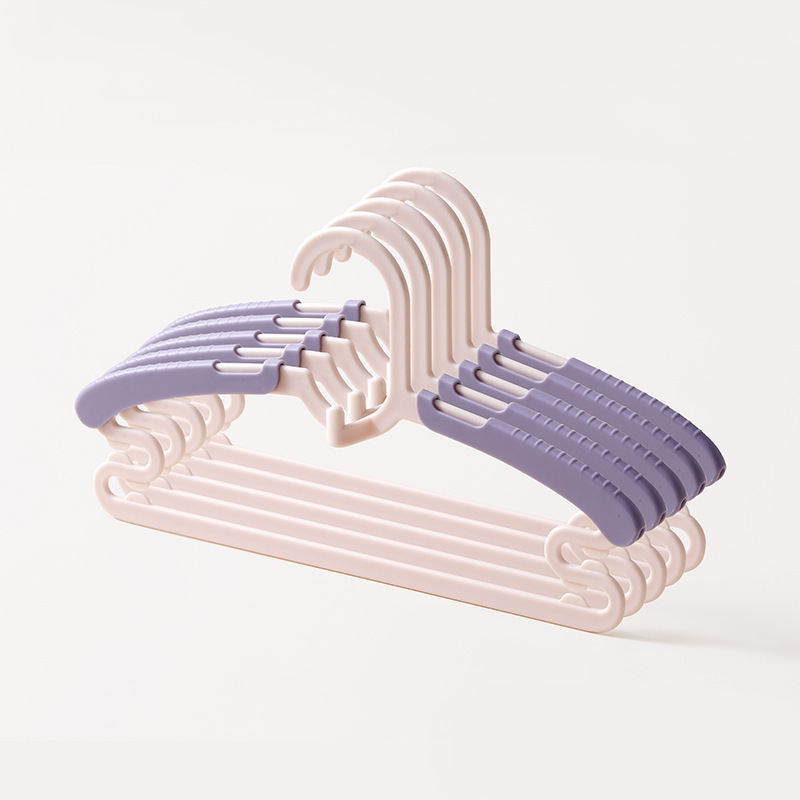
When most people think of a hanger, they think of a simple, inexpensive tool that keeps their clothes off the floor. But as anyone in the garment industry knows, the humble hanger is so much more than that. It is a silent salesman, a space-saving marvel, a branding opportunity, and a critical component in the global supply chain. At [Your Factory Name], we have been manufacturing hangers for over [X] years. We’ve seen trends come and go, witnessed the rise of sustainable materials, and helped countless brands elevate their retail presence—all through the power of a well-designed hanger. In this article, we’ll take you behind the scenes of our factory and share everything you need to know about hangers: the materials, the designs, the manufacturing process, and why choosing the right hanger partner can make or break your product presentation.
Not all hangers are created equal. The material you choose affects everything from durability and cost to the customer’s perception of your brand. Plastic is the most versatile and widely used material in hanger manufacturing. It’s lightweight, affordable, and can be molded into virtually any shape or color. Polypropylene, or PP, is our most popular plastic. It’s flexible, durable, and resistant to cracking, making it ideal for everyday retail and home use. Polystyrene, or PS, is a stiffer, shinier plastic that mimics the look of glass or acrylic. It’s often used for premium retail displays. ABS is a high-strength plastic that can support heavier garments like coats and suits, and it’s also used for hangers with intricate designs. At our facility, we use injection molding machines that can produce thousands of plastic hangers per hour. We can add recycled content, UV stabilizers, or even soft-touch coatings to meet your specific needs.
Wooden hangers exude luxury and warmth. They are a favorite for high-end boutiques, hotels, and discerning homeowners. Common types of wood include lotus, pine, beech, and birch. Each offers a different grain, color, and weight. Finishes can be natural, varnished, painted, or distressed, and we can match any Pantone color you desire. From solid wood to laminated wood, the construction affects strength and price. Our woodworking line includes CNC carving machines and hand-finishing stations. We source wood from sustainably managed forests and can provide FSC certification for brands that prioritize environmental responsibility.
Metal hangers are the workhorses of the industry. They are strong, thin, and perfect for maximizing closet space. Wire hangers are the classic, inexpensive option often used by dry cleaners. We offer galvanized, coated, and colored wire. Tubular metal hangers are made from steel or aluminum, making them stronger and more aesthetically pleasing. They can be chrome-plated, powder-coated, or painted. Aluminum hangers are lightweight, rust-proof, and sleek, making them ideal for travel and premium retail. Our metal division uses automatic wire bending machines and welding robots. We can produce millions of wire hangers per month with consistent quality.
There are also specialty materials that have gained popularity in recent years. Bamboo is an eco-friendly alternative to wood. Bamboo hangers are lightweight, strong, and naturally antimicrobial. Velvet hangers, usually a plastic core covered in flocking, are beloved for their non-slip properties and slim profile. Acrylic is a transparent, high-end material that gives a modern, minimalist look. Each of these materials serves a specific purpose and appeals to a different type of customer.
Ever wondered how a hanger is actually made? It all starts with a sketch. Our in-house design team works with you to create a 3D model of your hanger. We then produce a prototype using 3D printing or CNC machining. You can hold it, test it, and approve it before we move to mass production. Once the design is approved, we begin material preparation. Plastic pellets are dried, mixed with colorants and additives, then fed into injection molding machines. Wood logs are cut, dried, planed, and shaped. Any imperfections are filled and sanded. Metal wire is straightened, cut, and bent, while tubular metal is cut, formed, and welded.
The forming and assembly stage is where the hanger truly takes shape. In injection molding, molten plastic is injected into a mold under high pressure. The hanger cools and solidifies in seconds. For wooden hangers, components like hooks and bars are attached using screws, glue, or metal pins. For metal hangers, wire is bent into shape using automated machines, hooks are formed, and ends are smoothed. After assembly, every hanger goes through a finishing and coating process. Plastic hangers can be left matte, polished, or coated with soft-touch material. We also offer screen printing, hot stamping, and pad printing for logos. Wooden hangers are sanded, stained, painted, or varnished, and we can add laser engraving for a premium touch. Metal hangers are chrome plated, powder coated, or painted, and we also offer anti-slip coatings.
Quality control is a critical step that we never overlook. Every hanger passes through a multi-point inspection. We check for structural integrity to ensure it can hold the intended weight. We check for surface defects like scratches, bubbles, and rough edges. We check for color consistency and hook alignment. Only after passing these rigorous checks do our hangers move to packaging and shipping. We offer a variety of packaging options including poly bags, blister packs, display boxes, and bulk cartons. We can also handle private labeling and custom packaging design to help your brand stand out.
You might be thinking, “It’s just a hanger. Why should I invest in custom design?” The answer is simple: the right hanger matters more than you think. In a retail environment, a hanger is the first thing a customer touches. A flimsy, mismatched hanger can make even the most expensive garment feel cheap. A sturdy, branded hanger, on the other hand, communicates quality and attention to detail. For retailers, space is money. Slim velvet hangers can increase closet capacity by up to 50%. For e-commerce businesses, space-saving hangers reduce shipping costs. A custom hanger with your logo is a walking billboard. When customers take your hanger home, they are reminded of your brand every time they open their closet. It’s a low-cost, high-impact marketing tool.
The wrong hanger can also ruin a garment. Thin wire hangers can leave creases in shoulders. Clip hangers can leave marks on pants. Choosing the right hanger prevents returns and unhappy customers. And in today’s market, consumers are increasingly conscious of the environmental impact of their purchases. Offering hangers made from recycled plastic, bamboo, or FSC-certified wood demonstrates your commitment to the planet. This is no longer just a nice-to-have; it’s becoming a deciding factor for many buyers.
With so many options, how do you choose the right hanger for your needs? For t-shirts and casual wear, plastic or wire hangers are affordable and space-saving. For suits and blazers, wooden or ABS plastic hangers provide the structured, wide shoulders that keep garments in shape. For pants and skirts, clip hangers or bar hangers prevent creases. For dresses and delicates, velvet or padded hangers are non-slip and gentle. For coats and heavy jackets, heavy-duty wood or metal hangers offer the strength and durability needed. For retail display, custom branded plastic or wood hangers enhance your brand image. For hotels and hospitality, wooden or acrylic hangers convey luxury and durability. For e-commerce, slim plastic or velvet hangers reduce shipping volume and costs.
The hanger industry is evolving, and at our factory, we are at the forefront of these changes. Sustainability is no longer a trend; it’s a movement. More brands are requesting hangers made from 100% recycled ocean plastic or post-industrial waste. Biodegradable materials like PLA, or polylactic acid, are gaining traction. Wood alternatives like bamboo and fast-growing woods are becoming more popular. We are also seeing the rise of smart hangers. RFID-enabled hangers are used for inventory tracking in retail. QR codes printed on hangers link to product information or care instructions. Weight sensors are being prototyped that can detect if a garment is missing. Customization at scale is another major trend. Digital printing and 3D molding are making it easier and more affordable to produce small batches of highly customized hangers. And minimalist design is taking hold as consumers move away from bulky hangers in favor of slim, sleek, and functional designs.
As a direct manufacturer, we offer advantages that trading companies and middlemen simply can’t match. Factory-direct pricing means no markups, so you get the best possible price. Full customization means we build hangers to your exact specifications, from material and color to size and logo. We support startups and small businesses with flexible minimum order quantities. Our automated production lines and efficient supply chain ensure fast turnaround and on-time delivery. We are ISO 9001 certified, and every order is inspected before it leaves our factory. We are committed to sustainable options and can help you reduce your environmental footprint. And as a one-stop shop, we handle design, prototyping, production, packaging, and shipping, so you can focus on what you do best.
The hanger is a small object with a big impact. Whether you are a fashion brand, a retailer, a hotel, or an e-commerce seller, the right hanger can elevate your brand, protect your products, and delight your customers. At [Your Factory Name], we are passionate about hangers. We have the expertise, the technology, and the capacity to bring your vision to life. Whether you need a million wire hangers or a thousand custom wooden hangers with your logo, we are here to help. Contact us today for a free quote and a sample kit. Let’s make your clothes look their best—one hanger at a time.