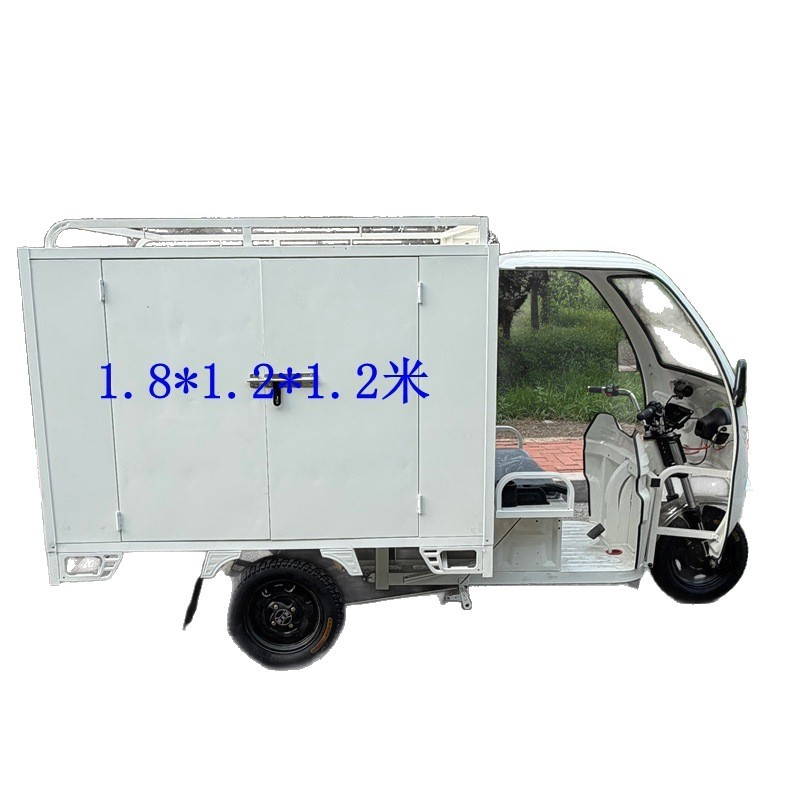
If you are sourcing tricycles for your market, you already know the challenge: there are many suppliers, but not all of them can deliver consistent quality, on time, and with the right documents. This guide is written from a manufacturer’s perspective, to help you avoid the most common pitfalls.
1. Start with the Application, Not the Price
The first question is not “how much”, but “what will this tricycle actually do”. A cargo tricycle working on rough roads needs a different frame, suspension, and motor than a passenger tricycle used in a city. Tell your supplier the real working conditions — load weight, road type, daily mileage, climate — and let them recommend the right configuration.
2. Check the Frame and Welding First
The frame is the backbone of any tricycle. Ask for close-up photos or videos of the welding points, the thickness of the steel tube, and the painting process. A cheap frame may look fine in a sample, but it will crack under heavy daily use. A serious manufacturer will be happy to show you these details.
3. Confirm the Battery and Motor Specs
For electric tricycles, the battery and motor are the most important cost components. Make sure the supplier states clearly:Battery type (lead-acid or lithium) and real capacity
Motor power and voltage
Controller brand and specification
Charging time and driving range under load
Vague answers here usually mean the real specs are lower than advertised.
4. Ask for Certificates Before You Order
Different markets require different documents. For the EU you may need CE, for the UK UKCA, for the US FCC or other relevant reports. Ask early, and ask for copies — not just “we can provide”. A supplier who already has the reports is much easier to work with.
5. Test the Sample, Then Inspect the Container
A good sample does not guarantee a good mass production order. Before shipment, arrange third-party inspection or ask for a detailed inspection report covering frame, electrical system, brakes, lights, and packing. This single step prevents most after-sales problems.
6. Look at Spare Parts and After-Sales Support
Tricycles are working vehicles, so spare parts matter. Ask what common parts are available, how fast they can be shipped, and whether the supplier offers technical support. A manufacturer who thinks about after-sales is usually a manufacturer who thinks about quality.
7. Compare Communication, Not Just Quotation
Finally, pay attention to how the supplier communicates. Do they answer your questions clearly? Do they point out problems before you discover them? Good communication during the inquiry stage is often a sign of good cooperation during production.
Conclusion
Choosing a tricycle supplier is not about finding the lowest price. It is about finding a partner who understands your market, controls quality, and supports you after the order. If you are sourcing tricycles and want a straight answer on specifications, certificates, and lead time, feel free to contact us.