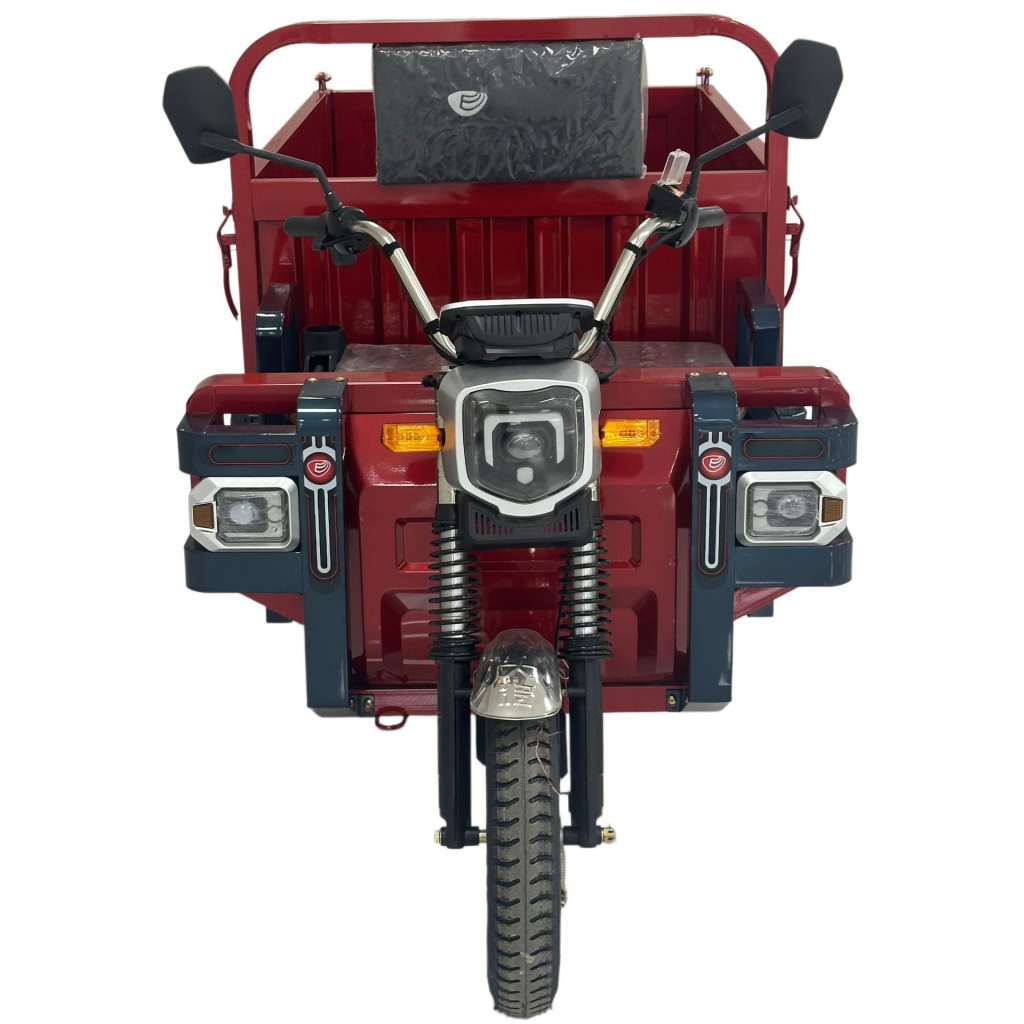
When buyers search for a tricycle manufacturer, they usually see the same things on every website: nice photos, a list of models, and a promise of good quality. But what really decides whether your container arrives in good condition? It comes down to how the factory is run. This article gives you a look inside how we build tricycles, and what you should look for when evaluating any supplier.
1. From Raw Steel to Finished Frame
Every tricycle starts with the frame. We use standardised steel tubes, cut and bent to fixed measurements, then welded on dedicated jigs to keep the geometry consistent. After welding, frames go through cleaning, priming, and painting. Each batch is checked for welding strength and alignment before it moves to assembly. A frame that is even slightly out of alignment will cause handling and tyre wear problems later — so this step cannot be rushed.
2. Assembly Line, Not Just a Workshop
A real tricycle factory has a structured assembly process: electrical system, controller, motor, brakes, lights, and body parts are installed in sequence, then the whole vehicle is tested. We keep records for each batch, so if a problem appears, we can trace it back to the specific production run.
3. Testing Before Packing
Before packing, every unit goes through a basic road test: acceleration, braking, steering, lights, and charging function. For electric models, we also check the battery voltage and controller response. Only after this does the tricycle get cleaned, protected, and packed for shipment.
4. Why Configuration Flexibility Matters
No two markets are the same. A tricycle that sells well in one country may fail in another because of road conditions, load requirements, or local regulations. That is why we keep our production flexible:
- Different frame sizes and load capacities
- Lead-acid or lithium battery options
- Open cargo, closed cabin, or passenger configuration
- Customised colours, logos, and accessories
This means you are not forced to accept a standard model — you can order what actually fits your customers.
5. Certificates and Export Experience
Selling tricycles internationally is not only about the product. It is about documentation, customs, and compliance. We support our clients with the certificates and test reports required for their target markets, and we are used to working with buyers from different regions. If you are new to importing tricycles, we can guide you through the process.
6. After-Sales Is Part of the Product
A tricycle is a working vehicle, so spare parts and technical support matter. We keep common spare parts available and can ship them together with your order or separately when needed. Our team also provides technical guidance for assembly and troubleshooting.
Conclusion
A good tricycle factory is not judged by its catalogue, but by its process. Consistent frames, structured assembly, real testing, flexible configuration, and reliable after-sales support — these are the things that protect your business in the long run. If you are looking for a tricycle manufacturer who takes these steps seriously, we are ready to work with you.